Venice Biennale 2017 round-up: political undertones everywhere, but it’s not all despair and anger
Featuring standout works by Franz Erhard Walther, Anne Imhof, Mark Bradford, Lee Mingwei – and Hong Kong’s own Firenze Lai and Samson Young – biennale rarely disappoints, but everyone’s still talking about Damien Hirst

This year’s main exhibition at the Venice Biennale sets out both to remind an angry, frightened world that there are shared, humanist instincts, and to defend art as a vital source of reflection, resistance and personal freedom. It accomplishes this, and more, through a selection of exhibits that are both passionate and compassionate, and which pay scant regard to the need to shock and the fashion for the grotesque.
While the perky title “Viva Arte Viva” does not quite capture the urgent, political undertones of the 57th edition of the world’s biggest visual art exhibition, curator Christine Macel is more direct in declaring her intent.
“Today, faced with a world full of conflict and shocks, art bears witness to the most precious part of what makes us human, at a time when humanism is precisely jeopardised,” Macel says in her curatorial statement. Art, she explains, “stands as an unequivocal alternative to individualism and indifference.” Paolo Baratta, president of the biennale, echoes her sentiment. “Art is an act of resistance, of liberation, and of generosity,” he proclaims.
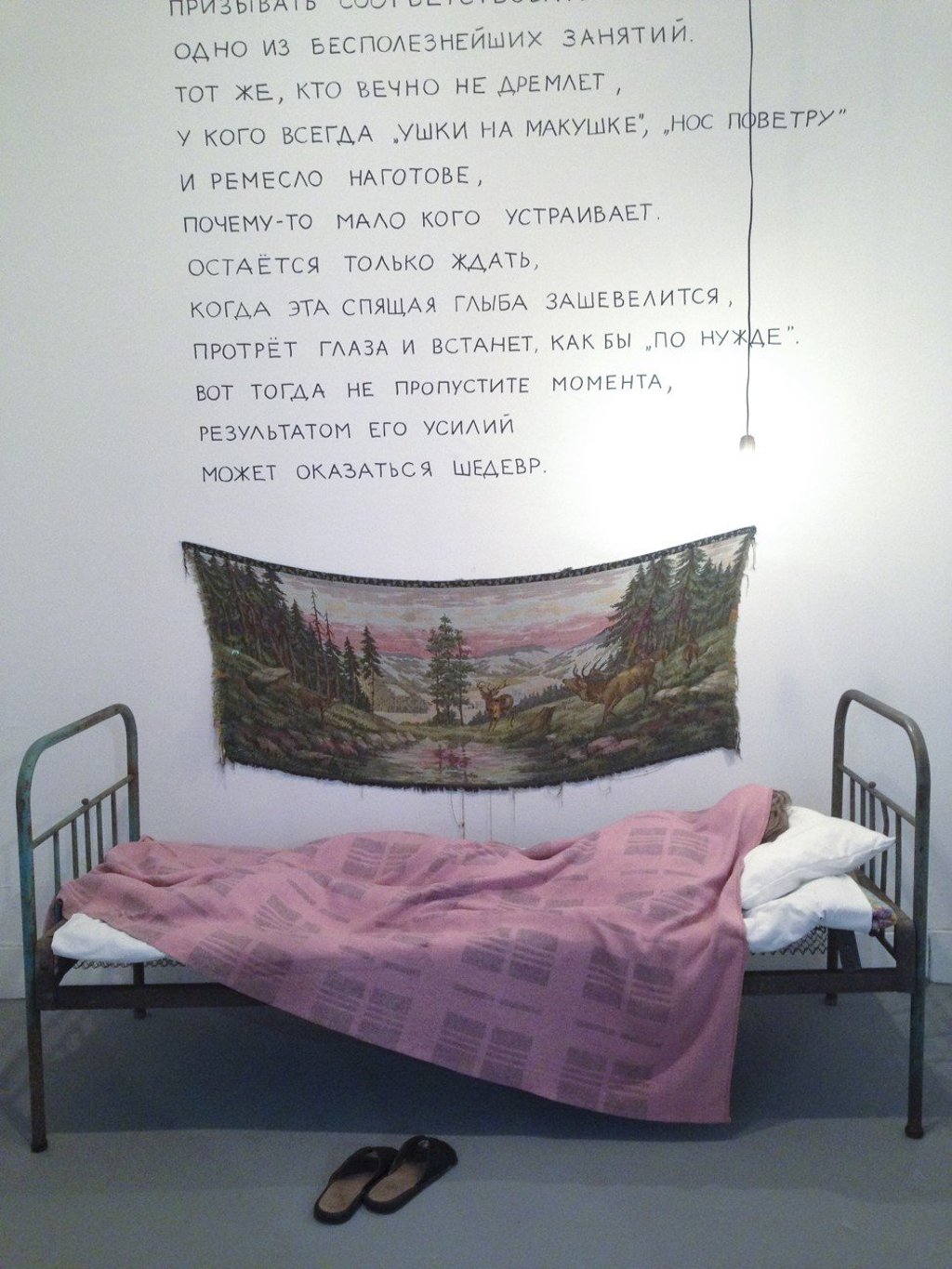
The main exhibition occupies both the Central Pavilion in the city’s Giardini area and the Arsenale building. It is divided into nine “trans-pavilions” – as opposed to the separate national pavilions that are independently commissioned by each country – with 120 artists participating, including one from Hong Kong.
The first trans-pavilion, the Pavilion of Artists and Books, has references to literal inspirations, including Chinese artist Liu Ye’s painstaking paintings of banned books his parents stashed away during the Cultural Revolution.