Iranian director Asghar Farhadi explores big themes in Oscar-nominated drama The Salesman: dignity, empathy, humiliation
A home invasion turns film’s story about an acting couple into an exploration of the nature of relationships, revealing truths its director believes people everywhere can relate to

It’s been a tumultuous winter for Asghar Farhadi. Less than a week after he was nominated for an Academy Award for best foreign-language film for his remarkable new drama, The Salesman, the Iranian director announced he would boycott the awards ceremony as a protest against US President Donald Trump’s temporary immigration ban, which affects travellers coming from seven predominantly Muslim nations, including Iran.
The Salesman is a deceptively simple picture about two young actors, Emad (Shahab Hosseini) and his wife, Rana (Taraneh Alidoosti), who are preparing to star in a new production of Arthur Miller’s Death of a Salesman. Their lives are turned upside down one night when a man breaks into their apartment while Rana is there alone.
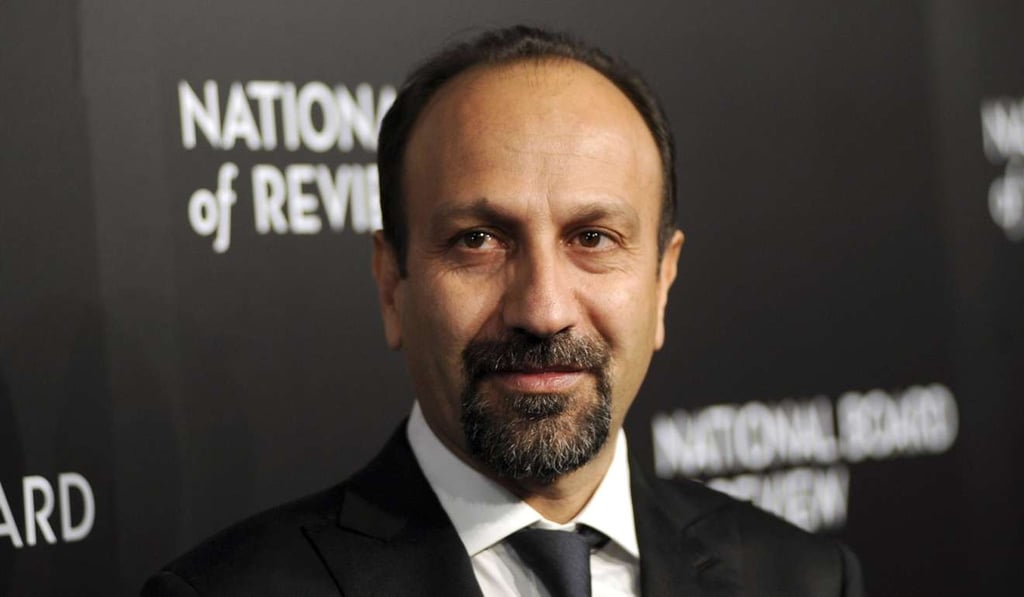
Farhadi, who won the Oscar for best foreign-language film in 2012 for A Separation, spoke about The Salesman just before the controversy blew up.
The Salesman mixes two apparently heterogeneous elements. First there’s the intimate story of a relationship in crisis, a theme that runs through much of your work. Then there’s the theatre angle. Where did the story come from?