Why Ann Hui’s Hong Kong war film lost its opening slot at Shanghai festival
Politics trumps art as Hui’s Our Time Will Come is trumped by another film set in wartime China made by a director from Denmark, which China is wooing to support its ‘Belt and Road Initiative’

It’s rare for a well-organised film festival to replace its opening film a week before it begins. But the Shanghai International Film Festival did just that, when it bumped up Bille August’s The Chinese Widow from a mere competition entry to curtain-raiser – despite having unveiled Hong Kong director Ann Hui On-wah’s Our Time Will Come as its opening film in a high-profile press launch at Cannes last month.
The festival, which opens on June 17, offered no explanation for the change, and media in China have kept silent about this latest twist. In fact, even official media outlets like the Beijing Youth Daily were caught unawares, with the Communist Youth League-backed newspaper running a celebratory piece about Our Time Will Come’s standing as the Shanghai festival’s curtain-raiser just two days before it was stripped of the honour.
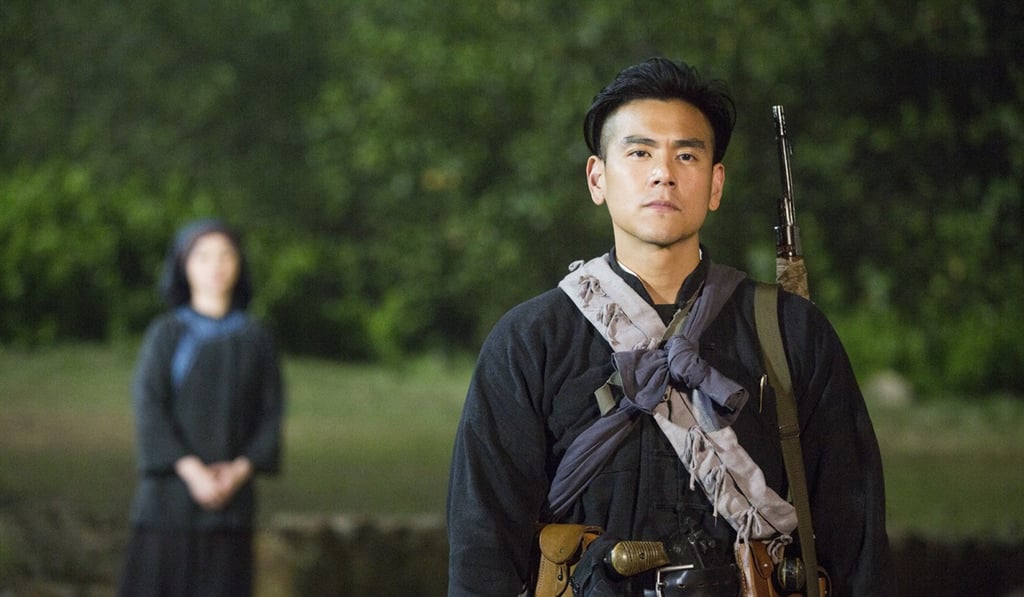
Hui’s film revolves around a Hong Kong woman’s selfless work for the city’s anti-Japanese resistance fighters during the second world war, and remains in the running for the festival’s Golden Goblet prize. So the problem is not Our Time Will Come’s lack of poltical correctness; it’s just that The Chinese Widow seems to be an even better fit for China’s national narrative right now. August’s film reads like Our Time Will Come writ large: set in a coastal village in Zhejiang province during the second world war, The Chinese Widow portrays the wartime romance between a brave young local woman and the US fighter pilot she manages to hide and save from the Japanese occupiers.
The story itself already ticks all the right ideological boxes, and the film boasts of an international cast and crew: August, a Dane, is an Oscar winner and two-time recipient of the Cannes film festival’s top honour, the Palme d’Or, and his cast includes the US actor Emile Hirsch (Into the Wild), China’s Crystal Liu Yifei (The Forbidden Kingdom, Outcast) and the Shanghai-born Vivian Wu (The Joy Luck Club, The Soong Sisters).
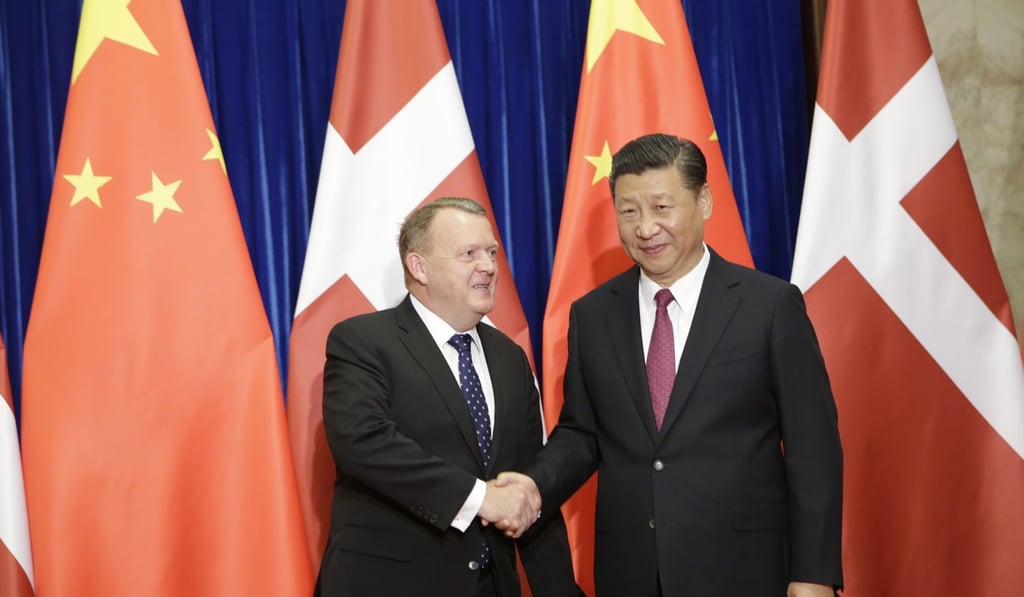
More importantly, The Chinese Widow is the first film completed after the signing on May 3 of a film co-production treaty between China and Denmark during Danish premier Lars Lokke Rasmussen’s visit to Beijing. Just over a fortnight later, August delivered a speech to diplomats, entrepreneurs and guests at a very exclusive screening of The Chinese Widow in the Danish capital – a sign, perhaps, of the importance of the film beyond its remit as a cultural or business product.