Review | 7 Days in Entebbe film review: fact-based hijacking drama is neither thrilling nor a barbed commentary on the Middle East
Retelling of one of the most famous hostage-rescue missions in history sets out to humanise hijackers and decision makers, but its Brazilian director appears terrified of offending anybody and the result is a film both safe and unsatisfying

2.5/5 stars
More than 40 years after the event, “Operation Thunderbolt” is still widely regarded as one of the most successful hostage-rescue missions in history. 7 Days in Entebbe recreates this politically delicate mission, with at the helm Jose Padilha, the Brazilian director who displayed a flair for provocative thrillers with his explosive Elite Squad films.
In 1976, an Air France flight carrying close to 250 passengers, many of them Jewish, was hijacked by a group of Palestinian and German radicals, and diverted to the rogue African nation of Uganda. Once on the ground at Entebbe airport, the terrorists – protected by Uganda’s deranged dictator, General Idi Amin – demanded the Israeli government release their incarcerated comrades.
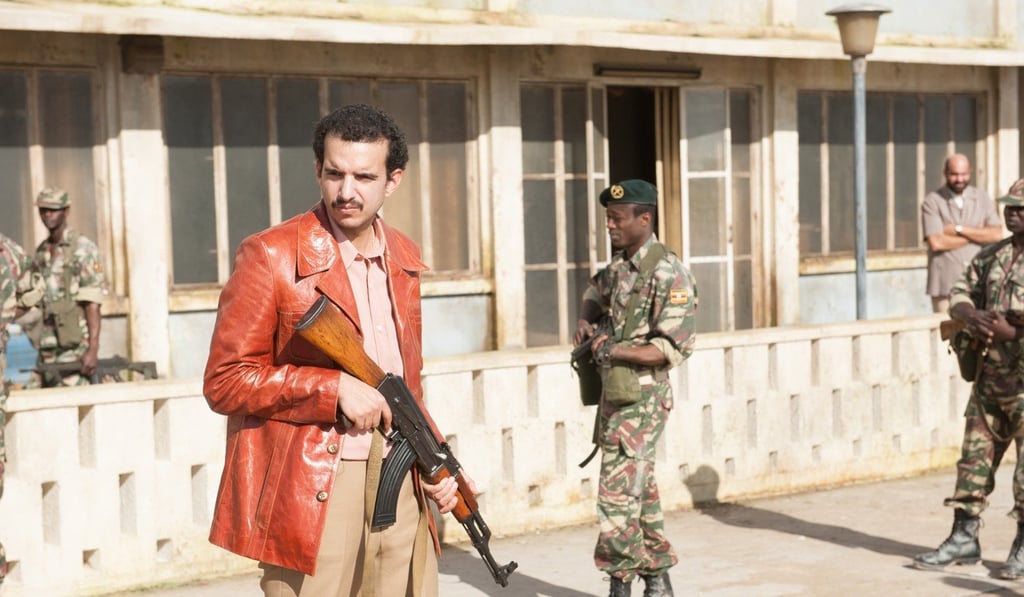
After seven long days, 100 Israeli Defence Force commandos descended on Entebbe airport in a dazzling display of tactical strength and gun-toting badassery that proved impossible for Hollywood to ignore. The operation inspired a flurry of screen adaptations, featuring such cinematic luminaries as Anthony Hopkins, Elizabeth Taylor, Charles Bronson and Klaus Kinski.
Den of Thieves film review: Gerard Butler, Pablo Schreiber face off in cops-and-robbers thriller that is sadly no Heat
Rather than emulate these sensationalist spectacles, 7 Days in Entebbe seeks to understand and humanise the hostage takers and decision makers.