Review: Nikolai Lugansky/HK Phil/Charles Dutoit – masterful Rachmaninov, effortless Stravinsky, restrained Ravel
Controlled brilliance characterised Russian pianist’s performance of Rachmaninov’s Piano Concerto No 3 and HK Phil under Swiss maestro’s baton

What a joy it was to witness at this Hong Kong Philharmonic Orchestra concert the collaboration between the spirited Swiss conductor Charles Dutoit and the technically assured Russian pianist Nikolai Lugansky in Rachmaninov’s monumental Piano Concerto No.3.
Initially unassuming, Lugansky played the famous opening melody with an elegant simplicity, projecting its lyricism over strings that Dutoit kept under watchful restraint. The work oscillates between the grandest of technical challenges and sweeping lyricism.
The soloist became physically more animated as the work progressed, showing the deft touch necessary at the more poignant moments and, at times, lunging forward to fully capture the grandiosity of the more spirited passages.
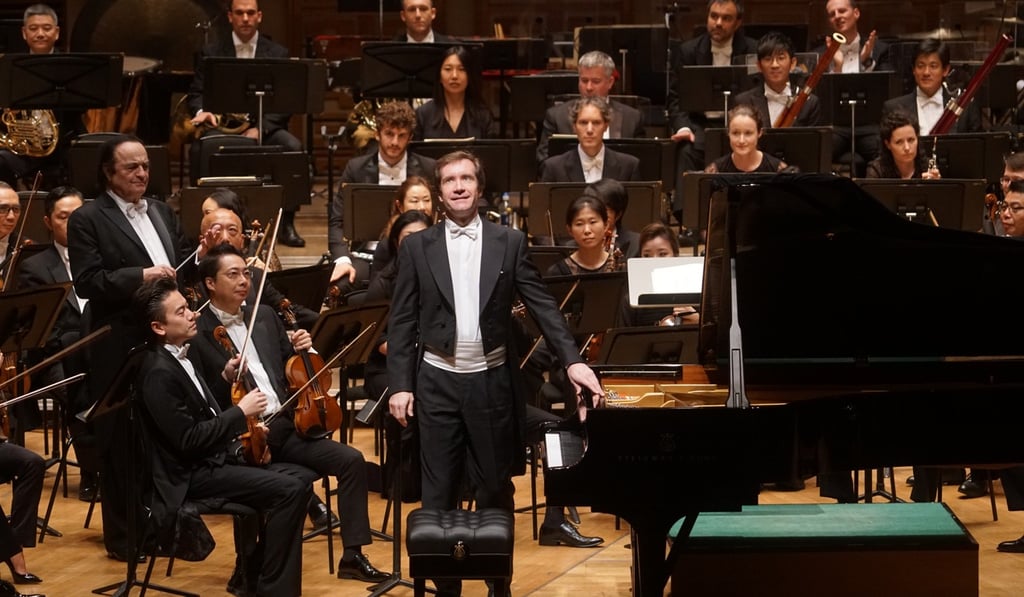
Structurally, the concerto’s second movement, Intermezzo, is somewhat hard to comprehend, as the gentle Russian opening theme is interrupted by a seemingly out-of-place piano passage of technical flamboyance. It’s as if the pianist is still intent on remaining in the turbulent throes of the first movement, but ultimately the opposing forces are united.
Rachmaninov’s transition into the final movement is masterly, with the theme initially presented in fragmentary fashion, which Lugansky ushered in with unexpected cheekiness. Dutoit took a back seat here, allowing the soloist to shine, but one notable moment was the return of the opening melody, which the maestro brought back with such delicacy that all the turbulence and foreboding of earlier evaporated in an instant.
This concerto is akin to a wild beast, extraordinarily difficult to capture and almost impossible to tame. Lugansky not only rose to all of its challenges, but came out as the victor.