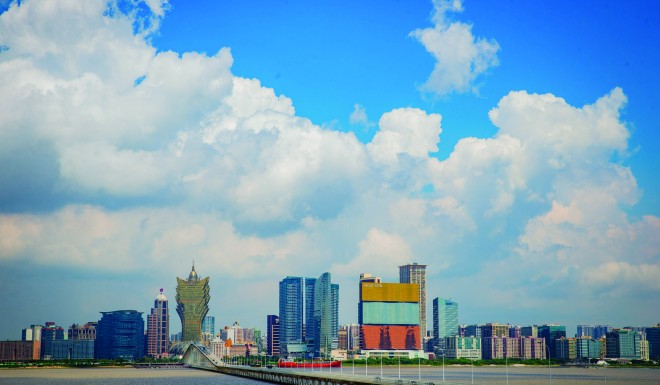
Behind the facade: Macau through the eyes of its residents
Opinions vary whether the waves of change which have swept over Macau since the handover have been beneficial or detrimental for its residents

Leaving aside its former status as a colony and morphing into a new role as the entertainment capital of Asia, Macau is a playground for opportunists who would risk it all for a taste of utopia.
As the hands of time turns, it consigns fragments of the old Macau to the history books. Swept along by waves of change, some local residents hold onto home soil while others leave. What do Macanese think of all these changes? Is Macau still the promised land?
After centuries of colonial history under Portuguese sovereignty, there is an intrinsic link between Portuguese and Macanese. Brought to Macau by a career in the media, native Portuguese Maria Garrido Pires found herself attracted to the city’s oriental culture. “I felt a kind of connection, spiritual connection, with the oriental culture,” she says.
Garrido Pires’ imagination as a child was fed by stories about Portugal’s faraway enclave in the east. “Macau would probably have been a better place, more developed than Portugal at the time,” she asserts.
Her aspirations were fuelled by a country in the grip of António de Oliveira Salazar’s authoritarian rule which inhibited development and forced many Portuguese to move to their colonies for a better life. “They are [concerned] about the crisis in Europe, people are betting on former colonies or other countries outside Europe … I believe that Portuguese people are returning to Macau again,” Garrido Pires adds.