How to create a stylish mini-farm at home
With the interest in urban farming growing ever stronger, proponents lucky enough to have an outdoor patch can start thinking about the aesthetics of growing their own greens.

With the interest in urban farming growing ever stronger, proponents lucky enough to have an outdoor patch can start thinking about the aesthetics of growing their own greens.
Andrew Tsui Ka, the co-founder of Time to Grow, a green enterprise promoting sustainable living, says greens and salad veggies can easily be grown in commercially available "grow boxes", which come in a variety of sizes and contain everything you need to create a mini-farm at home.
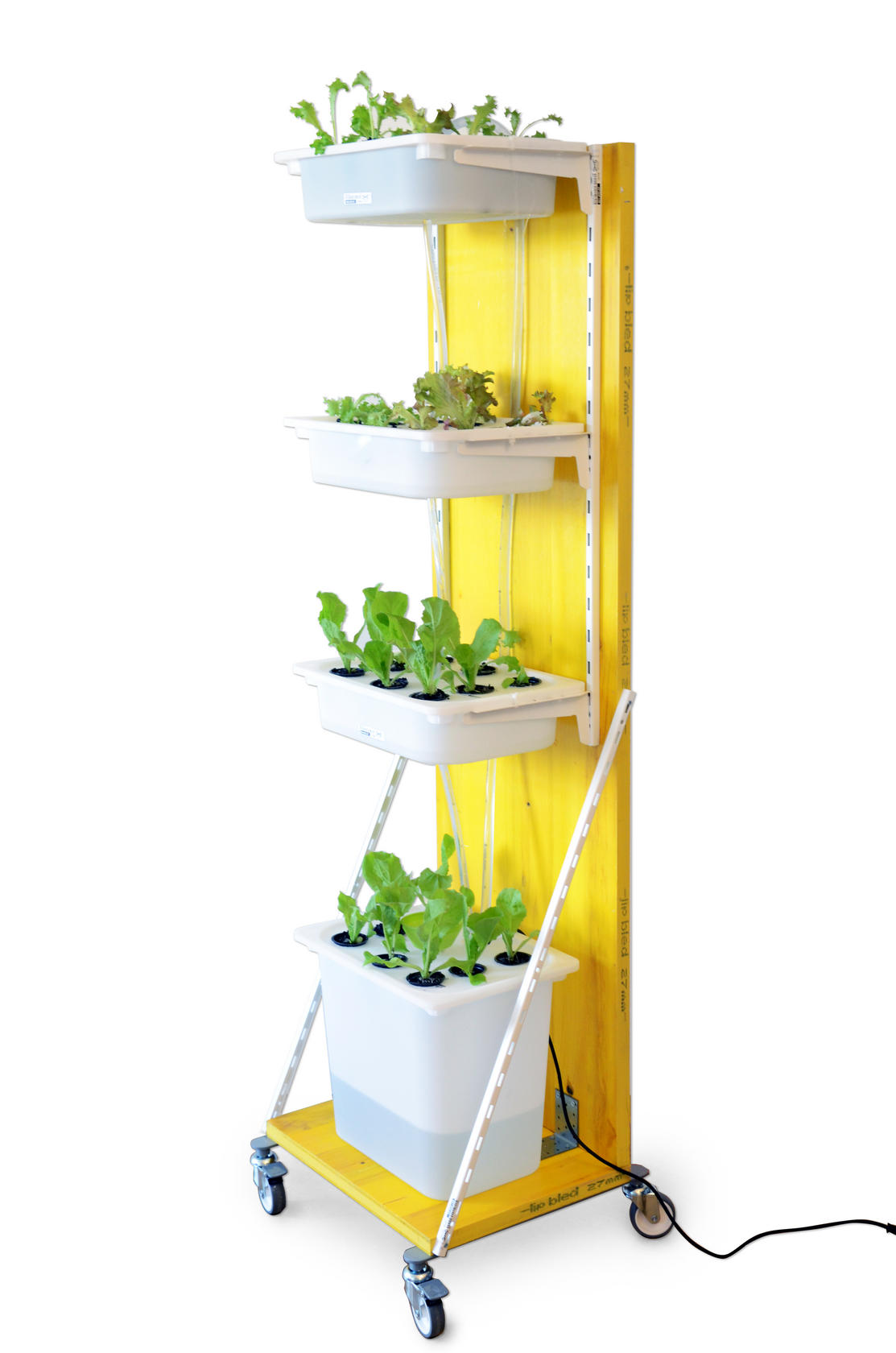
The plastic systems are scalable, and, he adds, work a bit like Lego: you can assemble them according to the shape and size of the setting. Of course, you can always "dress up" your garden by encasing it in an outer layer of a material of your choice.
People have also established gardens in recycled wooden crates and wine barrels, or in hydroponic systems made out of Ikea boxes.
For the design-conscious who don't mind pricier kit, brands such as Lechuza have developed a range of self-watering, stylish planters, while Modern Sprout has a cool-looking hydroponic system.
Typically, a small box, measuring 40cm by 50cm and 25cm in depth, weighs 30kg to 40kg, including soil, water and plants. Tsui says if they are placed on a balcony, structural integrity should be checked first: is it reinforced and connected to the main frame of the building, or a temporary add-on?