Hong Kong Buddhists’ release of animals into wild needs regulating, Kadoorie Farm says
Conservationists say release of captured animals to earn merit causes suffering, with many of them dying, and releasing non-native species threatens indigenous wildlife through disease

Hong Kong needs to regulate the practice of mercy release – the release of captured animals into the wild – if it is serious about protecting biodiversity, says a Hong Kong nature organisation. The practice is common among Buddhists, who believe it brings good karma.
Kadoorie Farm and Botanic Garden says mercy release – also called fang sheng (life release) or merit release – which is practised throughout the year, including on Buddha’s birthday today, has created a thriving industry for those who trap, trade, and sell animals for release – mostly birds, fish, and turtles, with many taken from the wild to be sold for release. It says released animals – some of which are non-native – threaten the survival of native wildlife by spreading disease.
Hong Kong has no legislation regulating the practice, although it is an offence to release anything into reservoirs under the authority of the Water Services Department.
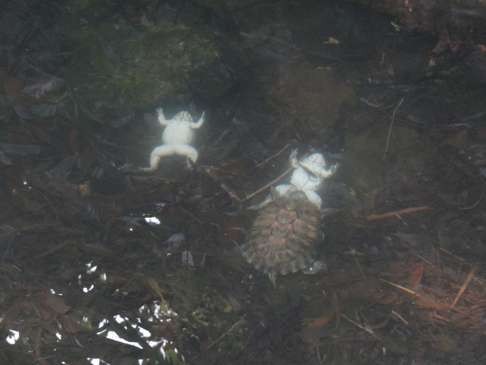
The Agriculture, Fisheries and Conservation Department discourages the release of animals into the wild. “This affects the equilibrium of the local ecosystems and is detrimental to animal welfare and may spread diseases,” a spokesman said.