Hong Kong’s Shanghai Street: goldsmiths, craftsmen, kitchenware and prostitutes
Shanghai Street in Kowloon has a history going back to the mid-19th century. It was once as busy as Nathan Road, selling kitchen equipment, gold, jewellery and abacuses, but today only a few older residents recall its colourful past

A failed bank robbery and hostage crisis shone a spotlight on Shanghai Street in 1974, in what remains Hong Kong’s longest siege. But it was just another chapter in the street’s colourful history.
The western coastline of the Kowloon peninsula originally ran alongside the street before a wave of reclamation work in the mid 19th century. Originally called Station Street, after the Yau Ma Tei police station, it was renamed in 1909 to avoid confusion with another street of the same name in Sheung Wan.
The colonial government also expanded the street, levelling a small hill in Jordan to extend it southwards. Today, it runs parallel to busy Nathan Road all the way from Jordan to Prince Edward. With a pier at each end of the strip, it soon became one of Hong Kong’s busiest thoroughfares and a major hub of commercial activity.
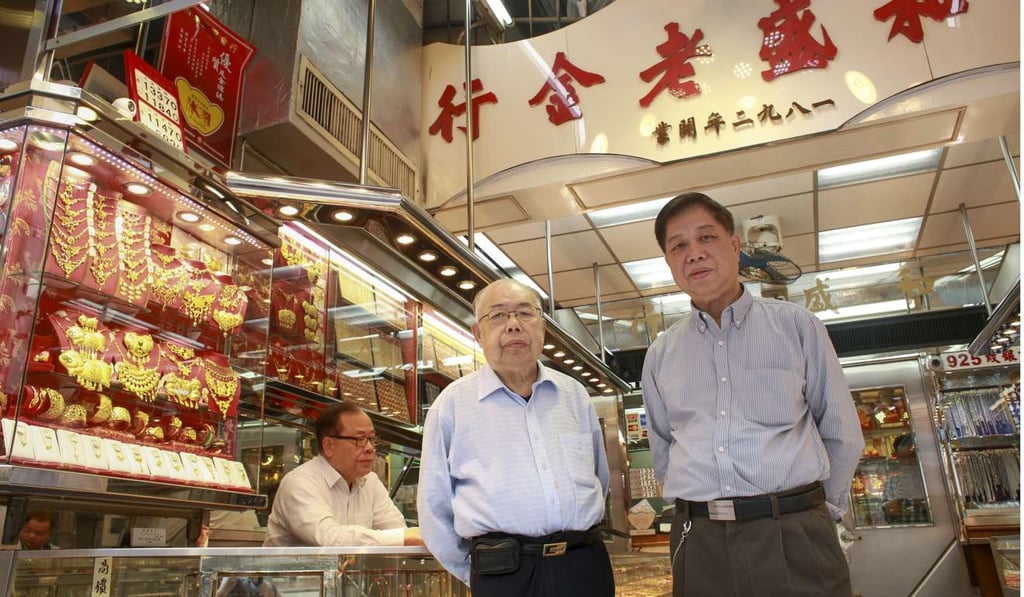
Goldsmiths and jewellery makers flourished on Shanghai Street in the 1970s and ’80s, given their proximity to the Yau Ma Tei typhoon shelter and their target customers – the boat-dwelling Tanka people, who put on performances and sold food to locals and tourists.