Online brain training games don’t help you make good decisions, such as quitting smoking, study finds
Study finds no evidence that games such as Lumosity alter neural activity during decision-making or that they affect choices involving risk and delayed reward

It was hoped that computerised brain training could strengthen activity in parts of the brain used in making good decisions, or resisting bad ones. University of Pennsylvania psychologist Caryn Lerman, who conducted a study into online training, thought it would prove useful in fighting obesity or cigarette addiction. Alas, Lumosity, the commercial brain training game program used in the trial, failed the test.
No, playing brain games won’t make you smarter – they’re just a bit of fun
They found using Lumosity was no better than playing some regular games developed in the Replay Lab at Philadelphia’s Drexel University. People who just took the cognitive function test three times improved as much as those who had played Lumosity and the Drexel games.
“We’re all disappointed because everyone is looking for a fun and easy way to improve cognitive performance and this does not seem to be it,” Lerman says.
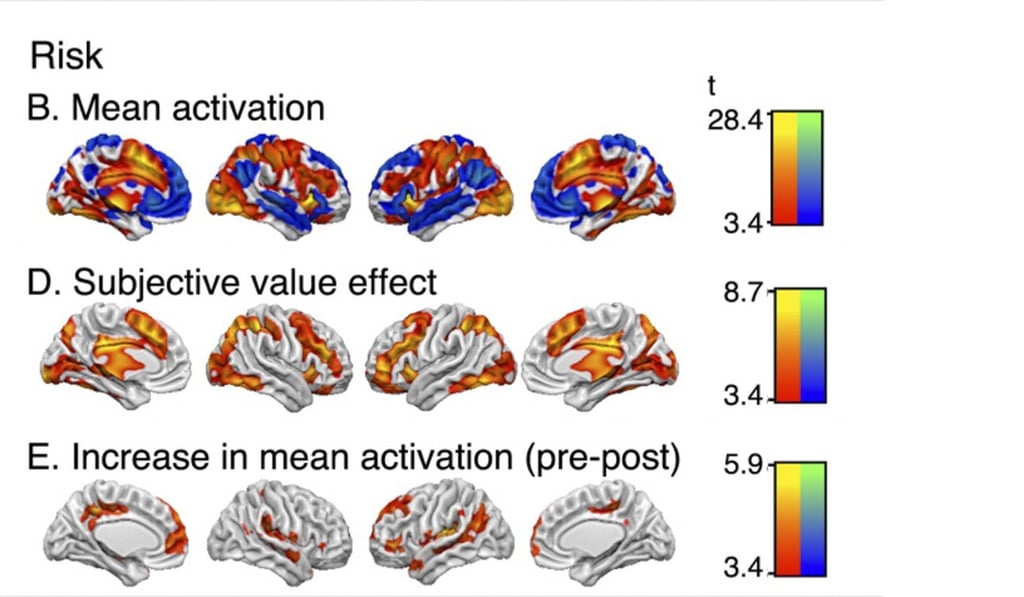
Although studies on the impact of brain training have had mixed results, this one adds to mounting evidence that many who use the programs get better at the tests themselves, but not much else.
The study was publishedin the latest issue of Journal of Neuroscience.
Lerman and her team will now study whether adding electrical or magnetic brain stimulation to the mix leads to better results. “That’s where the attention is now going in the field,” she says. “We’re not pursuing studies of cognitive training alone any more.”