Why fear is the biggest obstacle to a future of driverless cars, and the scientists working to convince us of their possibilities
A car that’s also a gym, a hotel room, an office, a nanny to your kids? Anything is possible, say researchers planning for a future of autonomous vehicles – but not until people and officialdom, in Hong Kong and other cities, accept them

When is a self-driving car not a car? When it’s a piece of gym equipment, or a mobile hotel room, perhaps. These are some of the offbeat ideas being dreamed up by participants of the GATEway Project, an £8 million (HK$82 million) research initiative focused on driverless vehicles funded by the British government and industry, which began a trial with prototype driverless pods in April.
Instead of having an accelerator pedal or steering wheel, the pods are fitted with three sensors and five cameras that read their surroundings as they chauffeur volunteers along a two-mile (3.2km) test route in the London borough of Greenwich.
The pods operate in much the same way as autonomous vehicles being developed by Google and about a dozen major carmakers. What the researchers are studying, however, is not the mechanics but the technical, legal and societal challenges they pose.
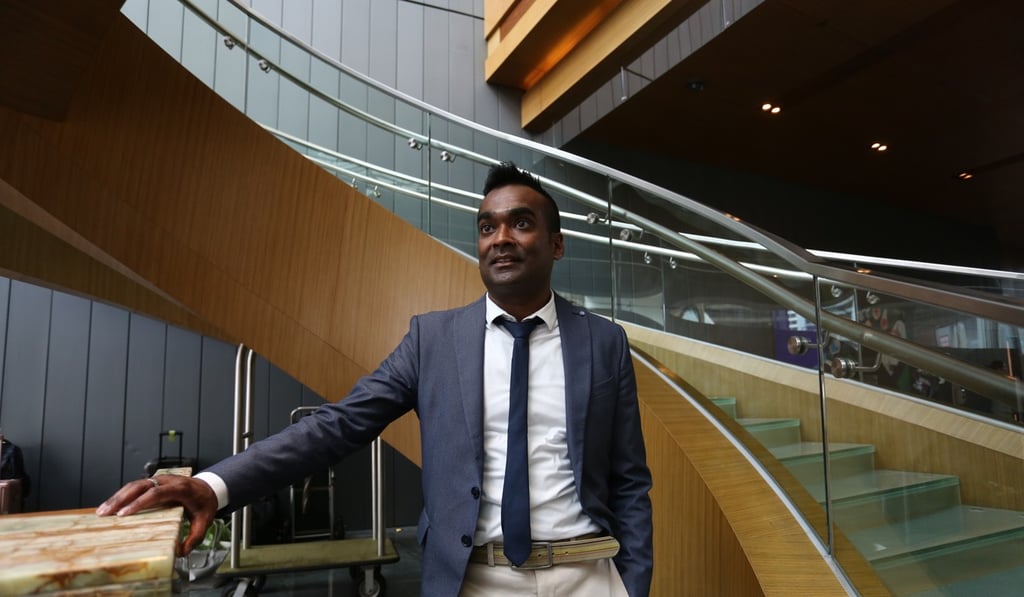
“We are looking at the acceptance, hopes and fears of driverless vehicles. The issue is every new technology is accompanied by a wave of discomfort from customers, passengers and users,” says Rama Gheerawo, the director of the Helen Hamlyn Centre for Design and vehicle design department at London’s Royal College of Art, which is part of the consortium.