Hong Kong martial arts grandmaster Lam Sai-wing brought to life in 3D exhibition
Hung kuen-style kung fu master Lam was photographed showing his moves in the 1920s. Motion-capture footage of his descendants practising hung kuen was analysed and combined, resulting in a 3D animation of Lam in action

Fascinated by photography, Lam Sai-wing, a grandmaster of an important kung fu system known as hung kuen, was so drawn by the technology that he showed his moves in front of the camera, capturing each step in photos. That was in the 1920s, and little did he know, the pictures will enable future generations to bring his art back to life almost a century later.
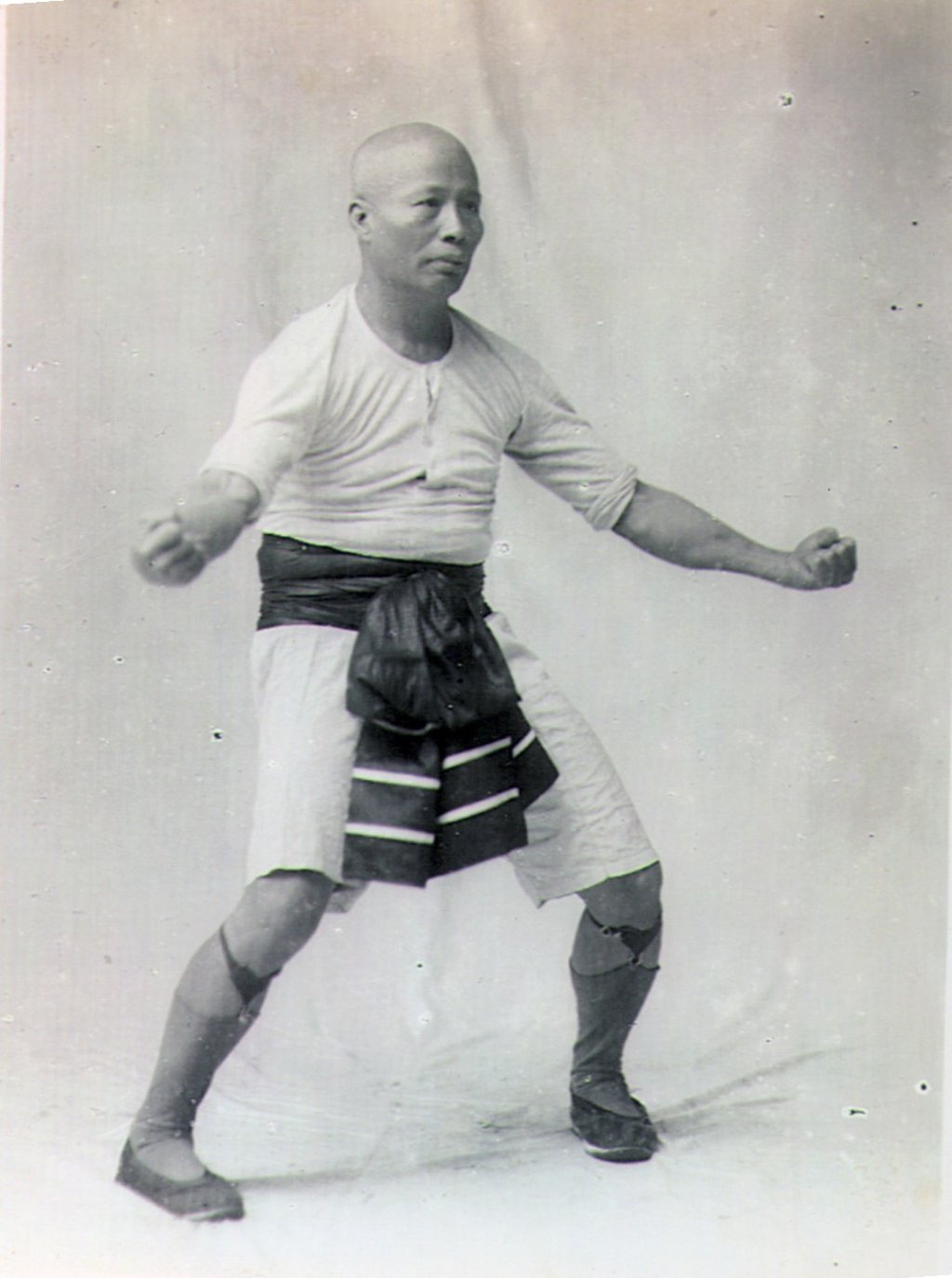
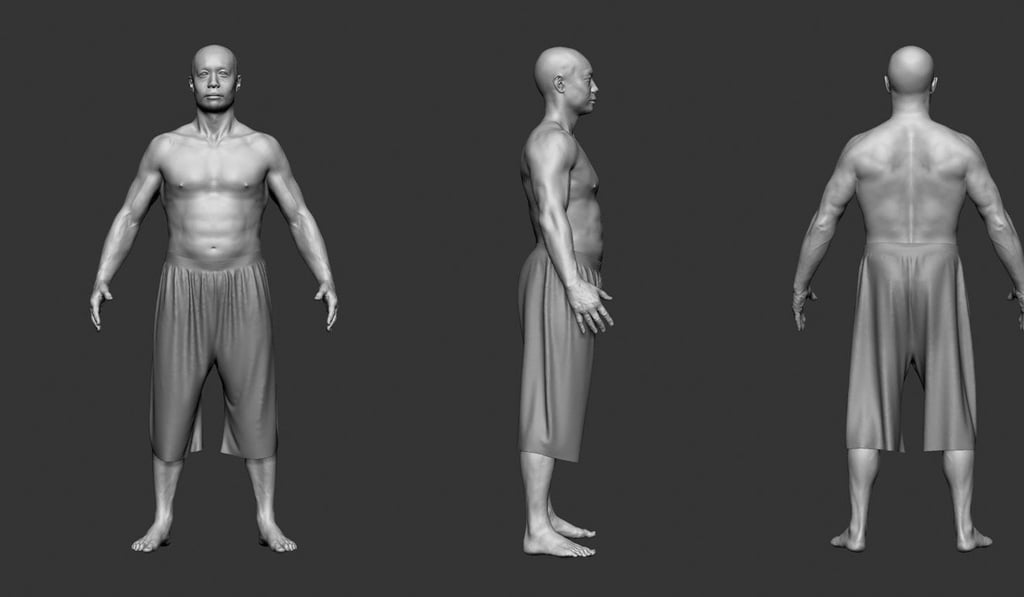
The team – International Guoshu Association (IGA) working with City University of Hong Kong – built a 3D model of Lam with his photos and captured the core motion data by having master Oscar Lam, the fourth generation carrier of the Lam family hung kuen style, demonstrate in a studio. The data was then mapped onto the model. But the story doesn’t end there.
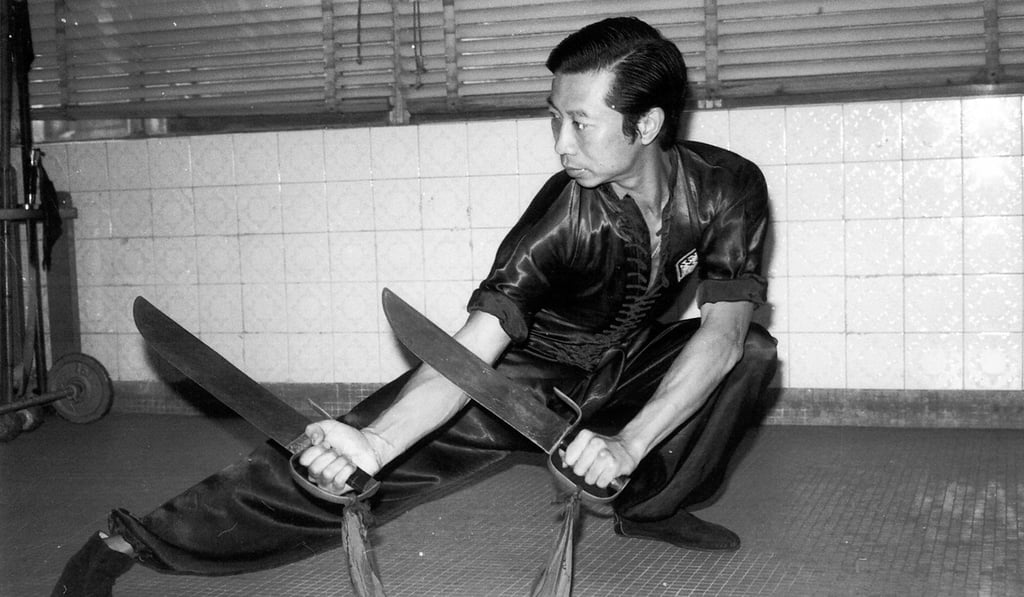
“We do it because we can,” says Jeffrey Shaw, director of the Centre for Applied Computing and Interactive Media at the City University, where the motion capture studio is located. “It’s a way of bringing the past into the present and making it more seductive to a contemporary audience.”