Advertisement
Luxury Hotels
Lifestyle

How a pioneering Hong Kong architect made his mark with 1969 Murray Building, so green it puts newer neighbours in shade

The government office block was ahead of its time when Ron Phillips prioritised energy conservation in its design; now aged 90, he is returning to Hong Kong to see how his advice has guided its conversion into a hotel

Reading Time:5 minutes
Why you can trust SCMP
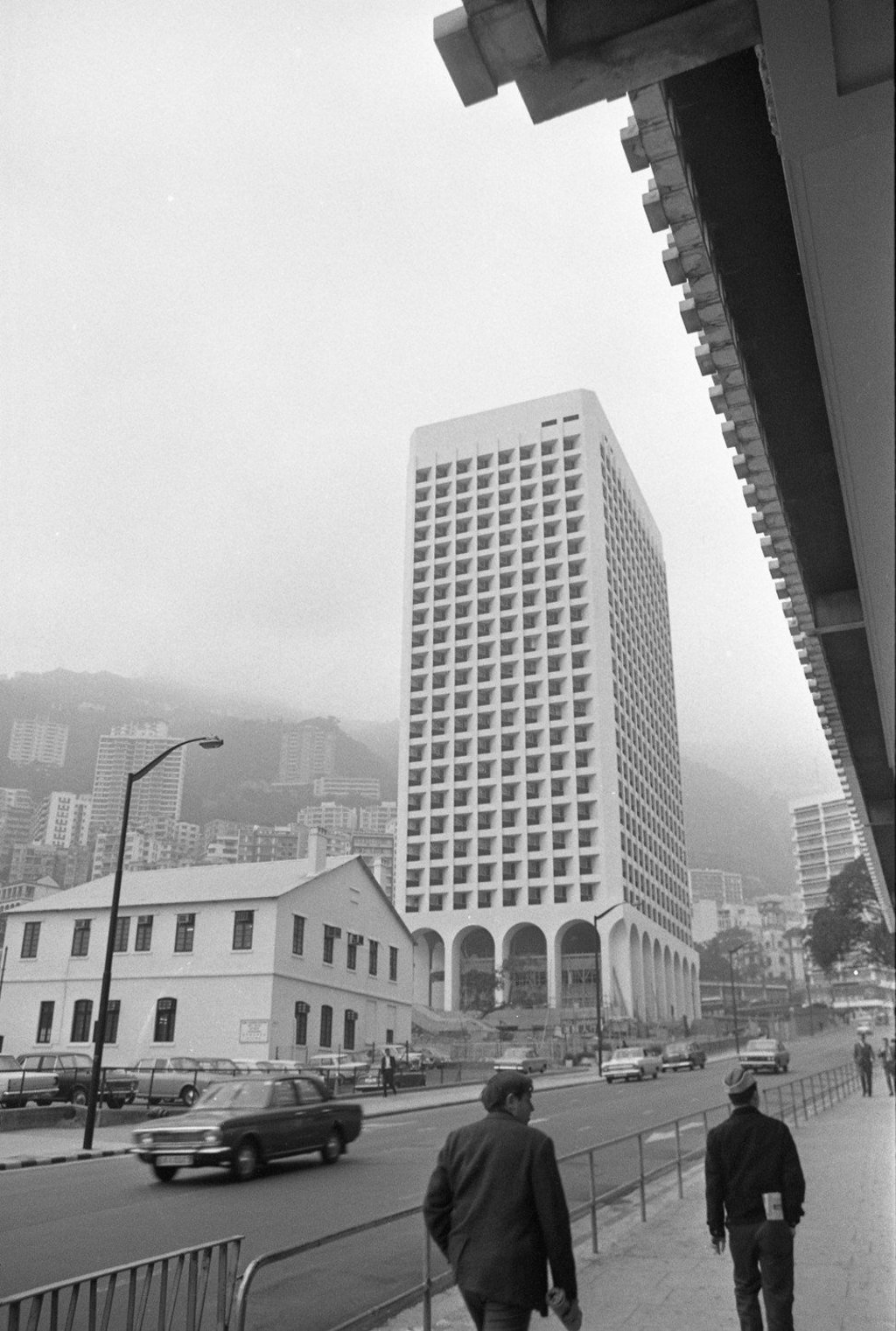
The Murray Building, a former government office block in Hong Kong’s Central district being converted into a hotel. Its windows are angled so the hot sun doesn’t stream through them, helping to conserve energy. Photo: Xiaomei Chen
Peta Tomlinson

An architect never forgets a seminal building he has created, but rarely would he expect to have a hand in its second coming nearly 50 years later.

Ron Phillips was working in Hong Kong’s Architectural Services Department in 1969 when he was tasked with designing the Murray Building, a 27-storey government office block in Central. Now aged 90, and living in retirement in Britain, he was invited by Foster + Partners in December 2013 to consult on its conversion into a 336-room luxury hotel.

Niccolo Hotels’ The Murray will mark the local debut of a new luxury brand under Wharf Hotels, which manages 15 properties in Hong Kong, China and the Philippines. It is scheduled to open by early 2018.
Advertisement
The Murray Building in Central, as it was in 1970. Photo: SCMP
Back in the day, the passive design features Phillips incorporated to shield public servants from the harsh summer heat were considered innovative. Phillips, who lived and worked in Hong Kong from 1956 to 1969, had earlier been involved in the design of Hong Kong City Hall – together with friend, partner and fellow modernist architect Alan Fitch – and recalls that, at the outset, the brief to design an office block to accommodate all sub units of the Public Works Department seemed a straightforward exercise.

“But the more l looked into it – together with colleagues of the Building Services section – the more we saw an opportunity to respond to the question of energy conservation,” he says.
Advertisement
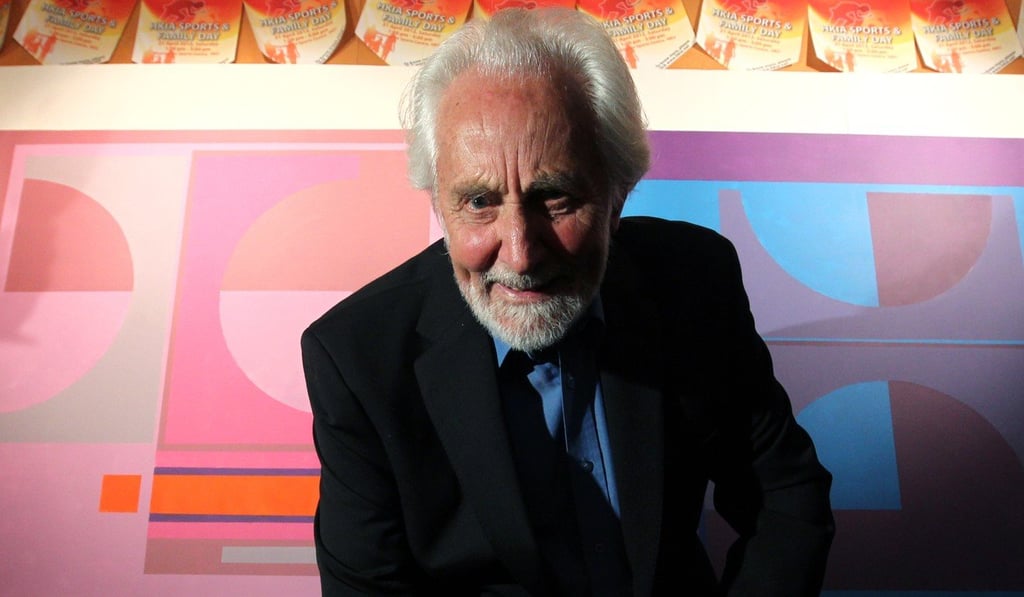
Ron Phillips at The Hong Kong Institute of Architects office in March 2012. Photo: May Tse
By then the introduction of air conditioning in multi-storey buildings had become the norm, but mindful of the substantial initial financial outlay, and recurrent cost, “we saw a need to respond to this by reducing solar gain”, Phillips says.

Top architect Norman Foster transforms Hong Kong’s colonial-era Murray Building into five-star hotel

Advertisement
Select Voice
Choose your listening speed
Get through articles 2x faster
1.25x
250 WPM
Slow
Average
Fast
1.25x