How Hong Kong shipping lost out to Singapore, and the industry leaders on a mission to raise its profile
The city’s history is entwined with shipping, but experts fear the industry risks being dismissed by the public as old-fashioned and unimportant. The Maritime Museum is launching a programme to raise awareness of the sector

If all of the 2,360 ocean going ships owned or operated by members of the Hong Kong Shipowners Association were placed stem to stern, the line of vessels would be 260km long.
It’s an impressive mental image, but in reality those ships are scattered all around the globe, and little of the southern Chinese city’s impressive sea power and related maritime sector is visible to the public eye.
Despite its pivotal role in the emergence of Hong Kong as a global trading centre, dating to the British occupation in 1842, some experts fear shipping is being dismissed as an old-fashioned legacy industry and is in danger of being overlooked by the public. There have even been calls recently to close the city’s busy container terminals and use the land for public housing.
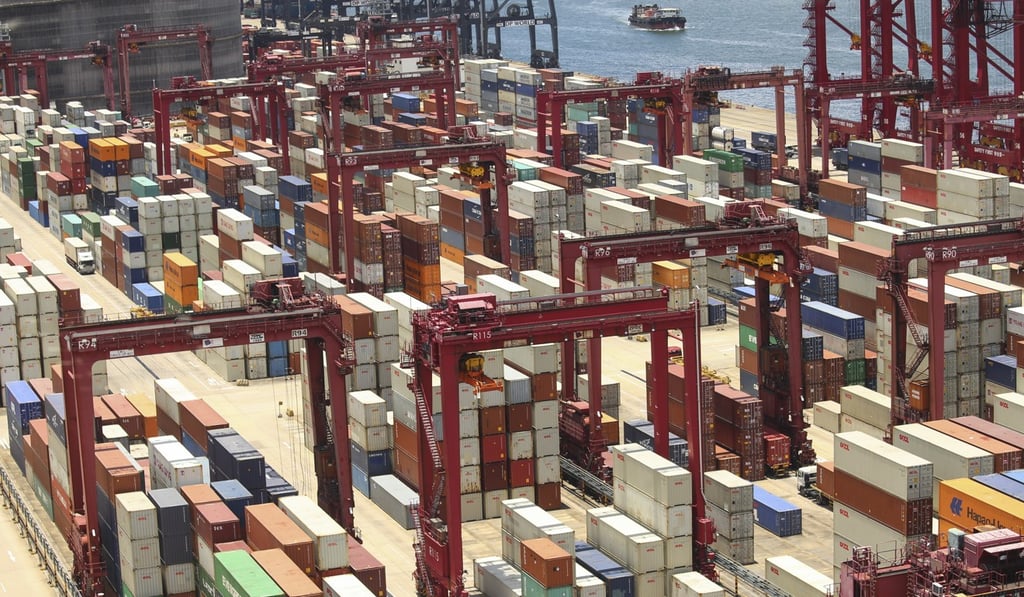
On May 12, the Hong Kong Maritime Museum, at Central Pier 8, will launch Nautic Quest, an ambitious programme for maritime learning, aimed at raising awareness among students and the public of Hong Kong’s vibrant port and shipping sector.
“The shipping industry has been concerned for about a decade now about how to remind the local community about the value of the maritime sector to Hong Kong,” says museum director Richard Wesley, who sees promoting shipping in the local community as an important part of the museum’s mission.