How Singapore can renew ethnic neighbourhoods without losing their traditional character
The Lion City is known for its traditional ethnic neighbourhoods such as Little India, Chinatown and Kampong Glam. It plans to renew these areas while retaining what makes them special, and gentrification is not on the cards

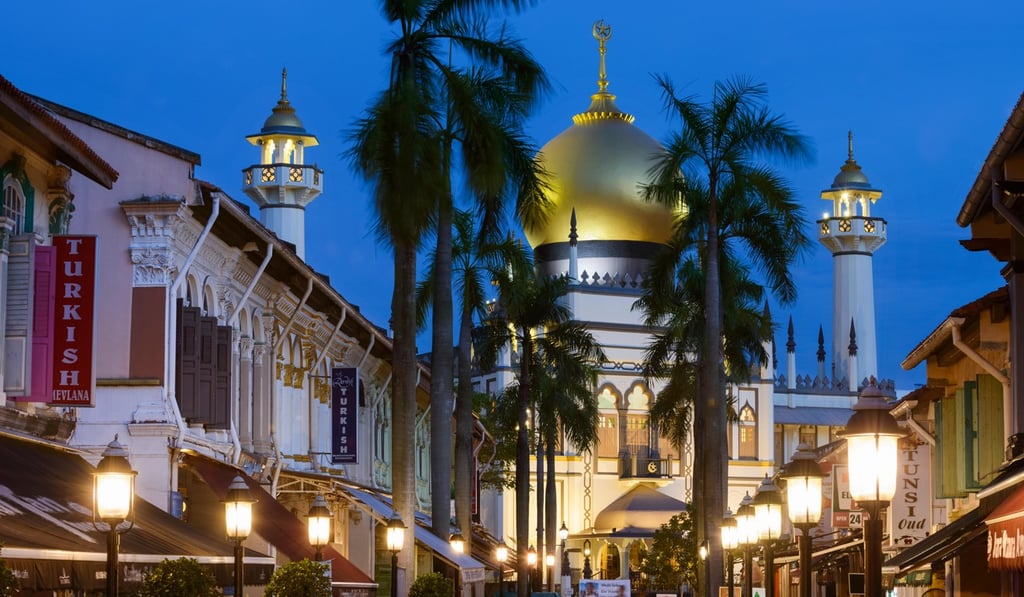
Singapore’s traditional ethnic neighbourhoods, including Chinatown, Little India and Kampong Glam, offer a look at the diversity of Asian cultures in a single city. However, the enclaves are under pressure as rent increases threaten to squeeze out traditional family businesses.
That’s why Singapore’s Urban Redevelopment Authority (URA) has been working with members of these communities with a view to preserving both their commercial viability and the authentic heritage of the neighbourhoods.
“The government’s plans to re-envision Kampong Glam, Little India and Chinatown is part of the urban renewal process for the historical parts of Singapore,” says Nicholas Mak, head of research and consultancy at SLP International Property Consultants. He adds that this does not mean gentrification.
Chou Mei, group director for conservation and urban design at the URA, agrees, and says the principle of conservation in Singapore is not about freezing a building in its past, but allowing it to have continued relevance and use in today’s context.
The traditional home of Singapore’s Indian community, Little India, has long had a reputation for being one of the city’s more unpolished and authentic neighbourhoods. With its carefree disarray – unlike other parts of the city state – it is often thronged with multi-ethnic crowds.