Revival of Hong Kong's tong lau buildings hits many hurdles
Tenement houses have the character and charm that high-rises lack, but desperately need legal protection
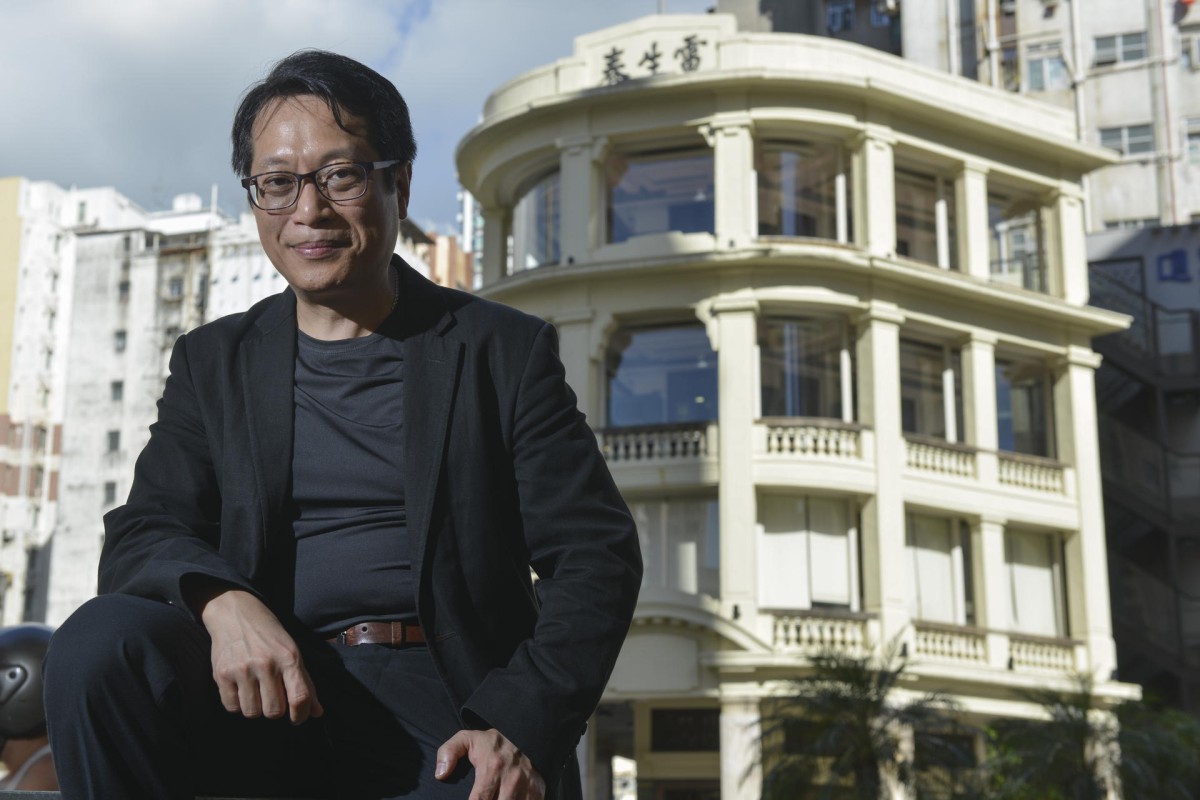
Swedish designer Helen Lindman has wrought an impressive transformation of the Sheung Wan tenement building that she bought three years ago. Previously a dingy, dimly lit, six-storey walk-up, 11 Upper Station has been turned into a stylish, bright and airy residential block, comprising two duplexes and a top-floor suite.
The extensive renovations took a year to complete. Now finished, both duplexes have been rented to tenants attracted to the district by the mushrooming independent cafes and quirky shops turning it into a hip hangout.
We have to change people's thinking so that [renewal projects] do not just cater to big developers
Although their HK$79,000 monthly rental seems pricey for a tong lau, Lindman says the renovated space offers an appealing alternative to soulless high-rise apartments.
"There is definitely a demand from expats," she says. "I came to Hong Kong in 2004 and fell in love with the city's tong lau. I feel it is important to maintain them as part of Hong Kong's heritage, but they are becoming harder to find. It is too easy to bring in the bulldozer and build another high-rise. My ongoing vision is to preserve these buildings; not as monuments, but as live-in homes, reviving them, helping to revitalise the living communities in which they are set."
While Hong Kong's first tong lau emerged in the late 19th century, most were built after the mid-1950s to house a wave of post-war mainland migrants. But in Hong Kong few of these buildings remain, unlike in Macau and Singapore, which have preserved entire streets, even neighbourhoods, featuring this distinctive period architecture.
Several factors conspire against their survival, not least the absence of a comprehensive conservation policy, and banking rules that make financing of tong lau purchases - and their revival - more difficult than for other properties.