Somali novel shows war and hope in the eyes of women
In a seminal trilogy on the Somali dictatorship of Major General Mohamed Siad Barre, which held power in the 1970s and '80s, Somalian novelist Nuruddin Farah wrote unforgettably of the regime's fellow travellers, who "hide in the convenience of a crowd and clap".
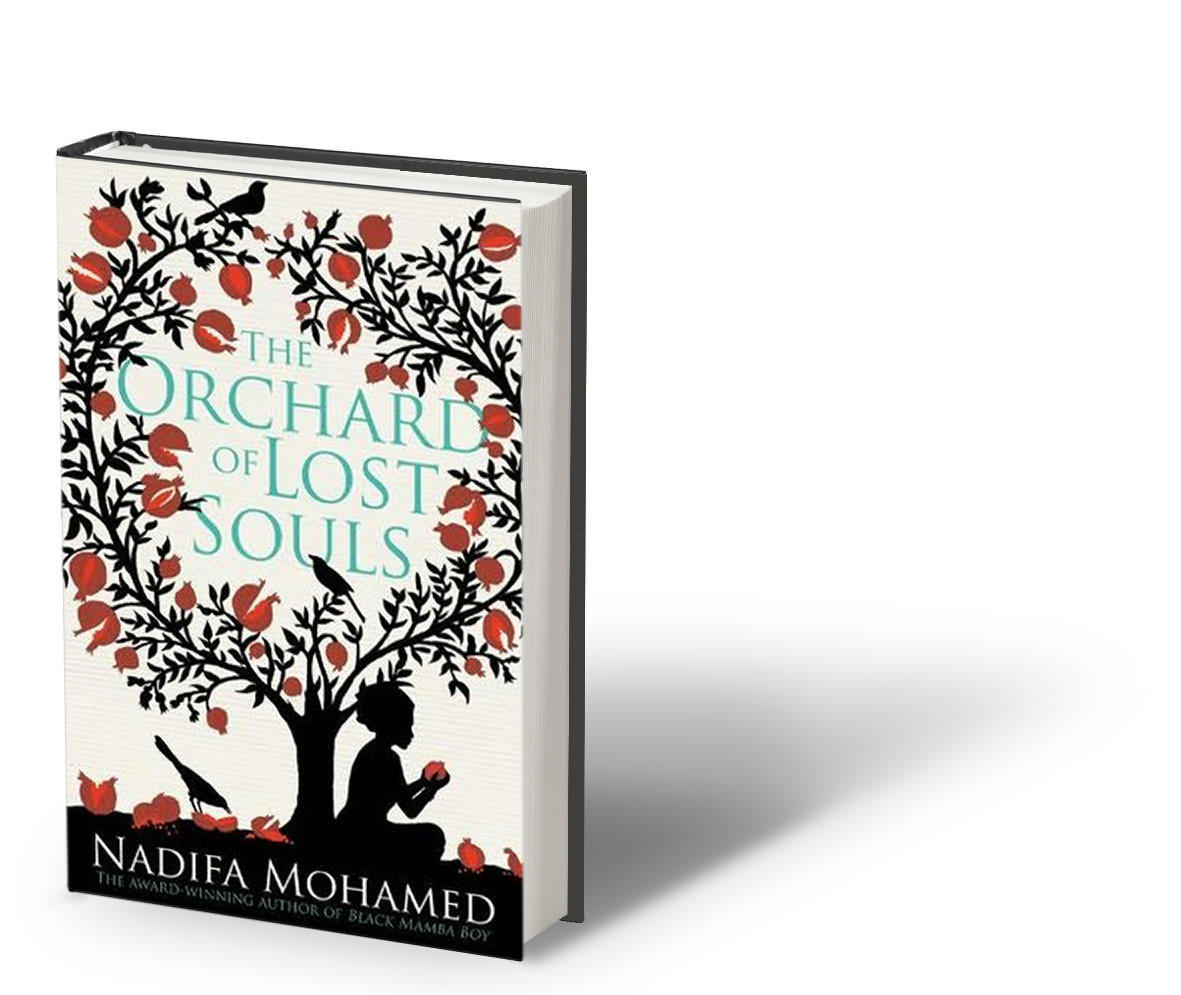
by Nadifa Mohamed
Simon & Schuster
3.5 star
Maya Jaggi
In a seminal trilogy on the Somali dictatorship of Major General Mohamed Siad Barre, which held power in the 1970s and '80s, Somalian novelist Nuruddin Farah wrote unforgettably of the regime's fellow travellers, who "hide in the convenience of a crowd and clap".
Thirty years on Nadifa Mohamed, who was this year named one of Granta's best young British novelists, reimagines such cheering acolytes in the opening pages of her second novel, The Orchard of Lost Souls. Her focus is on the reluctant recruits of the Guddi, the "neighbourhood watch", which rallies supporters to a sports stadium to mark 18 years since the military coup that deified a nomadic boy - his mammoth portrait now hanging over the stadium "like a new sun, rays emerging from around his head".
Mohamed, born in 1981 (and aged four when her family fled Somalia), is at one remove from the history Farah experienced, rather as Chimamanda Ngozi Adichie's Half of a Yellow Sun was a new-generation take on the Biafra war, to which Chinua Achebe bore painful witness. While, at times, this distance shows in a dutiful assembly of images and references that fail to rise off the page, other moments reveal a tenacious imagination and maturing talent.
Mohamed's muscular yet lyrical 2010 debut, Black Mamba Boy, which won a Betty Trask award and was shortlisted for the Guardian First Book award, charted an East Africa ravaged by Mussolini's rule, by fictionalising her father's journey. This book focuses on women.
The setting is 1987-88, a drought year of "unrelenting, cloudless blue" skies in Hargeisa - the author's birthplace in northwest Somalia - on the brink of civil war. As the rebels move their HQ from London to Ethiopia, revolt festers in the low-rise city, with alleyways the width of a man's shoulder blades, where power is cut at night to stymy the rebels, and the BBC is banned in public spaces, the goal "not just to black out the city but to silence it".
The three central female characters are an ageing widow, Kawsar, bed-bound after a brutal assault at the local police station; Deqo, a street urchin from a refugee camp who is cared for by prostitutes; and Filsan, a young soldier from Mogadishu, a "neat beret perched to the side of her pinned-up hair", who has a "strange combination of femininity and menace".