Book review: A Theory of the Drone - the morality of killing by remote control
A new book explores the morality and effectiveness of using surveillance drones as missiles in the war against terrorists

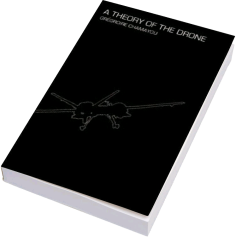
by Grégoire Chamayou
New Press

In May 2009, a former adviser to General David Petraeus named David Kilcullen wrote an op-ed in The New York Times calling for a moratorium on drone strikes carried out by the US against al-Qaeda and its associates in Afghanistan, Pakistan, Somalia and Yemen. The military advantages of using drones (the US Army defines a drone as a "land, sea or air vehicle that is remotely or automatically controlled") are outweighed, Kilcullen argued, by their costs.
As French thinker Grégoire Chamayou observes in his subtle and provocative "philosophical investigation" of drone warfare, Kilcullen's article offered an insight into the "internal debates within the US military apparatus" over the transformation of a surveillance technology into a vehicle for administering lethal force.
(Predator drones, which had been used for surveillance purposes during the Nato intervention in Kosovo in 1999, were first equipped with Hellfire missiles in tests carried out in February 2001, turning, as Chamayou puts it, "an eye into a weapon".)
Kilcullen acknowledged the fatal appeal of drone attacks for policy makers: they have measurable effects, they impose a "sense of insecurity" on the enemy and, because drones are operated remotely (often by "pilots" sitting in an office on an airbase in the Nevada desert), they carry no risk of US casualties. The downsides, however, are considerable.