Book review: Silenced No More gives voice to 'comfort women' Japan enslaved
Author S.J. Friedman recounts the stories of surviving sex slaves - women from across East Asia forced into military brothels in one of the most terrible crimes of the second world war


Almost 14 years after she began writing it, author S.J. Friedman has published a book that hopes to break the decades-long silence surrounding the mass trafficking of women and children in Asia that took place between 1931 and 1945. It's estimated that up to 400,000 women and children - half of them Chinese, the rest Korean, Dutch, Taiwanese and Filipino - were taken as sex slaves to satisfy the needs of the Japanese military during the second world war.
The victims, some as young as 11 years old, were raped by up to 40 soldiers a day. Those who tried to escape would be beaten or killed as an example; others would commit suicide to avoid the physical and emotional trauma.
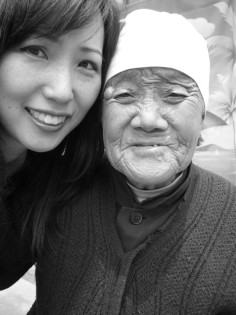
Their stories are hard to read; visual imagery takes us beyond mere statistics, and forces us to imagine what they went through; the queues of men with their pants down, the stench of antiseptic and stale sweat, the permanent throbbing pain, the nausea.
Today, the remaining survivors are disabled, unable to stand straight, some partially deaf, others infertile due to uterine diseases and abuse. Their youth lost, most have since been unable to enjoy a normal relationship with men let alone bear children and raise their own family.
Yet theirs is also a tale of survival, of the human spirit. The women that Friedman meets have been fearless enough to overcome the taboo associated with rape and to share their stories with others. These seemingly frail old women are in fact resilient, determined fighters, and will continue their resistance.