Will standing desks in classrooms help kids to learn or encourage them to mess about more?
Early studies on students standing up in classes show they are more engaged, and it can help children with attention difficulties to concentrate – but it’ll also depend on their age and maturity for it to work

My son’s primary school has recently acquired some new standing desks. My son says he prefers working standing up instead of sitting down, but he hardly gets to use them because there are only three in each classroom and the children argue over using them. What is the purpose of these desks and is it a good way for children to learn?
The concept of standing desks is still a fairly new one in education. Although it may seem strange to those of us who were expected to sit up straight at school and not move, early studies on the effectiveness of using standing desks is promising. Students have shown improved scores and enhanced creativity. They have also been seen to be more engaged and have a better focus on the teacher, as well as increased class participation.
Lack of computers at Hong Kong international school questioned
Standing desks are also proving to be successful in offices, where employees are literally more mobile and displaying a reduction in sedentary behaviour as well as improved mood. The fact that standing burns many more calories than sitting is another advantage highlighted by research, in a world where obesity in children and adults is becoming a major issue.
Therefore, more schools in Hong Kong and around the world are experimenting with this idea. When teachers try it, they have to rethink their classroom configuration, because the modern educational approach demands more interaction and collaboration among students.
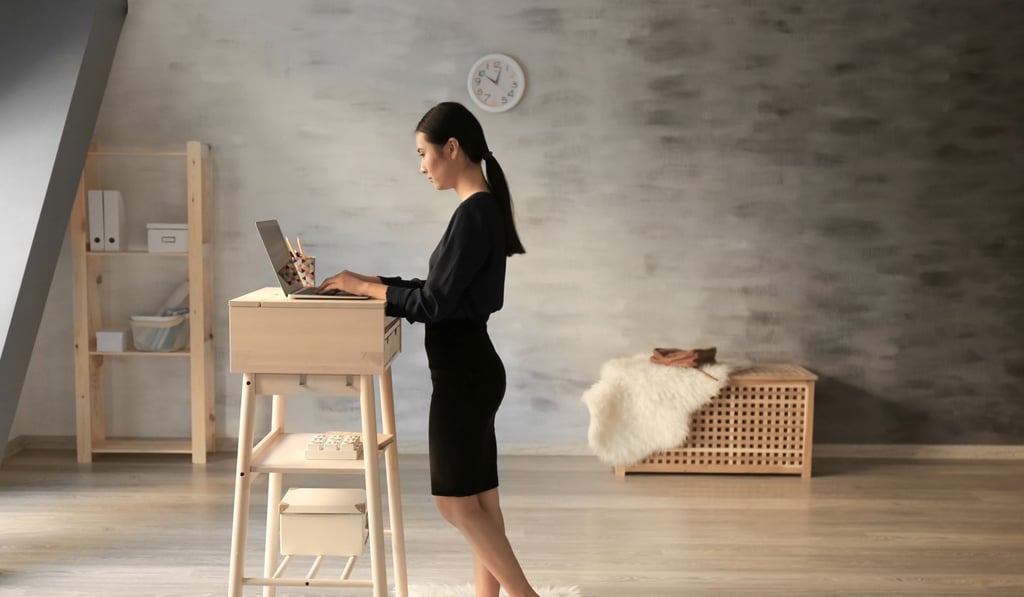
Sometimes teachers offer an element of seating choice for different activities. However, as your son has reported, this can cause difficulties if pupils argue or certain children dominate seats that others want to use. Depending on the age and maturity level of the students, teachers may need to rotate or timetable popular seating areas to make sure everyone has a fair chance of using them.
Standing desks are particularly advantageous for children with attention difficulties and those who find it hard to sit still for periods of time, giving them an outlet for their energy that does not necessarily disturb others in the classroom.