Explainer | History of the sari, from ancient India to fashion runways – simple, versatile garments tell the stories of women who wear them
- Unstitched and six to nine metres long, the sari has been traced to the Indus Valley in 2800BC. Worn by rich and poor alike, there is a sari for every occasion
- How saris are made and worn varies depending where in India you go, with the cheapest costing US$7 and the finest 4,000 times more
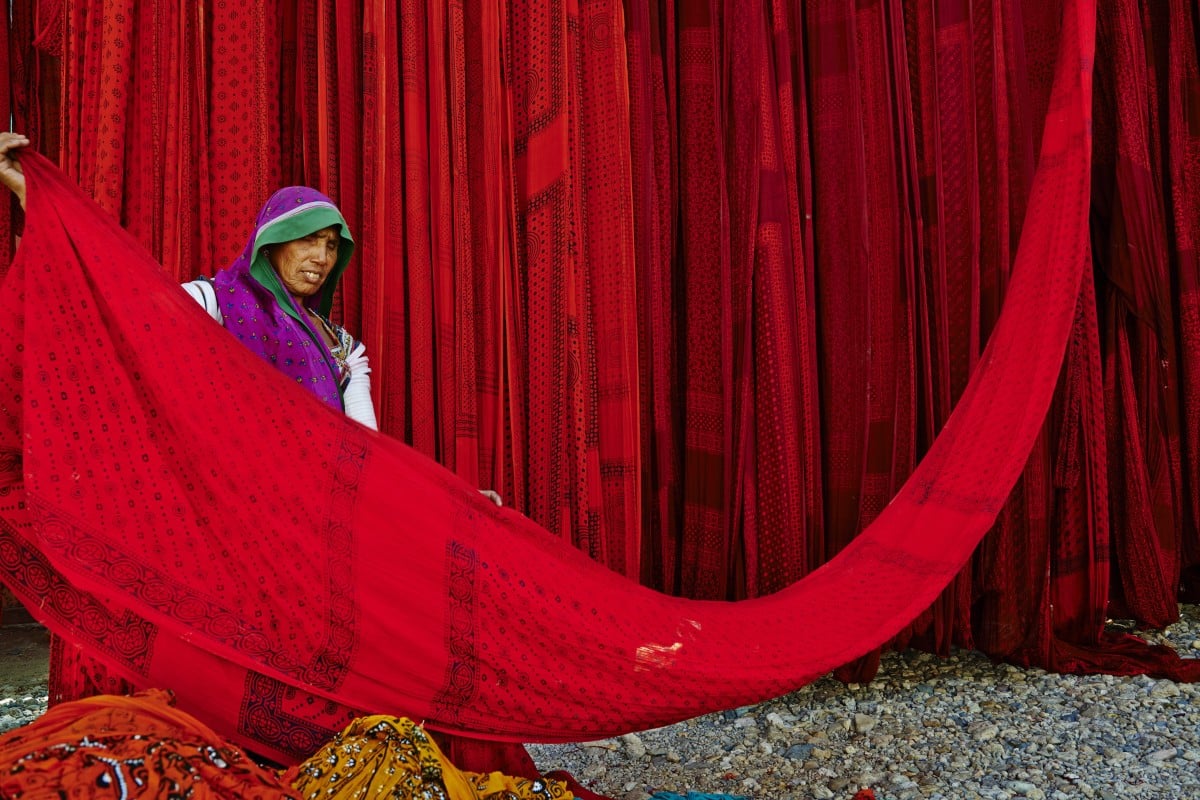
That a long, unstitched rectangular garment used to drape the female form for 5,000 years and worn every day by hundreds of millions of women from the Indian subcontinent flourishes as a fashion choice of the 21st century woman makes the story of the sari a fascinating one.
The earliest records of a garment similar to the sari can be traced back to the Indus Valley Civilisation that flourished between 2800 and 1800BC in what is today northwest India. The word “sari” is believed to be derived from a Sanskrit word meaning “strip of cloth”.
It originally formed part of a three-piece costume consisting of a piece of cloth draped as a lower garment, a chest band, and another piece of cloth worn over the shoulder and used to cover the head.
“The sari is probably the oldest unstitched attire in existence. It is the most versatile garment and is both conventional and contemporary,” says Delhi-based Sanjay Garg, the owner and designer of Raw Mango, a brand of contemporary handwoven textiles. A sari designed by Garg, 40, featured in an exhibition at New York’s Museum of Modern Art in 2017 of 111 articles of clothing and accessories that have left an indelible mark on modern fashion.
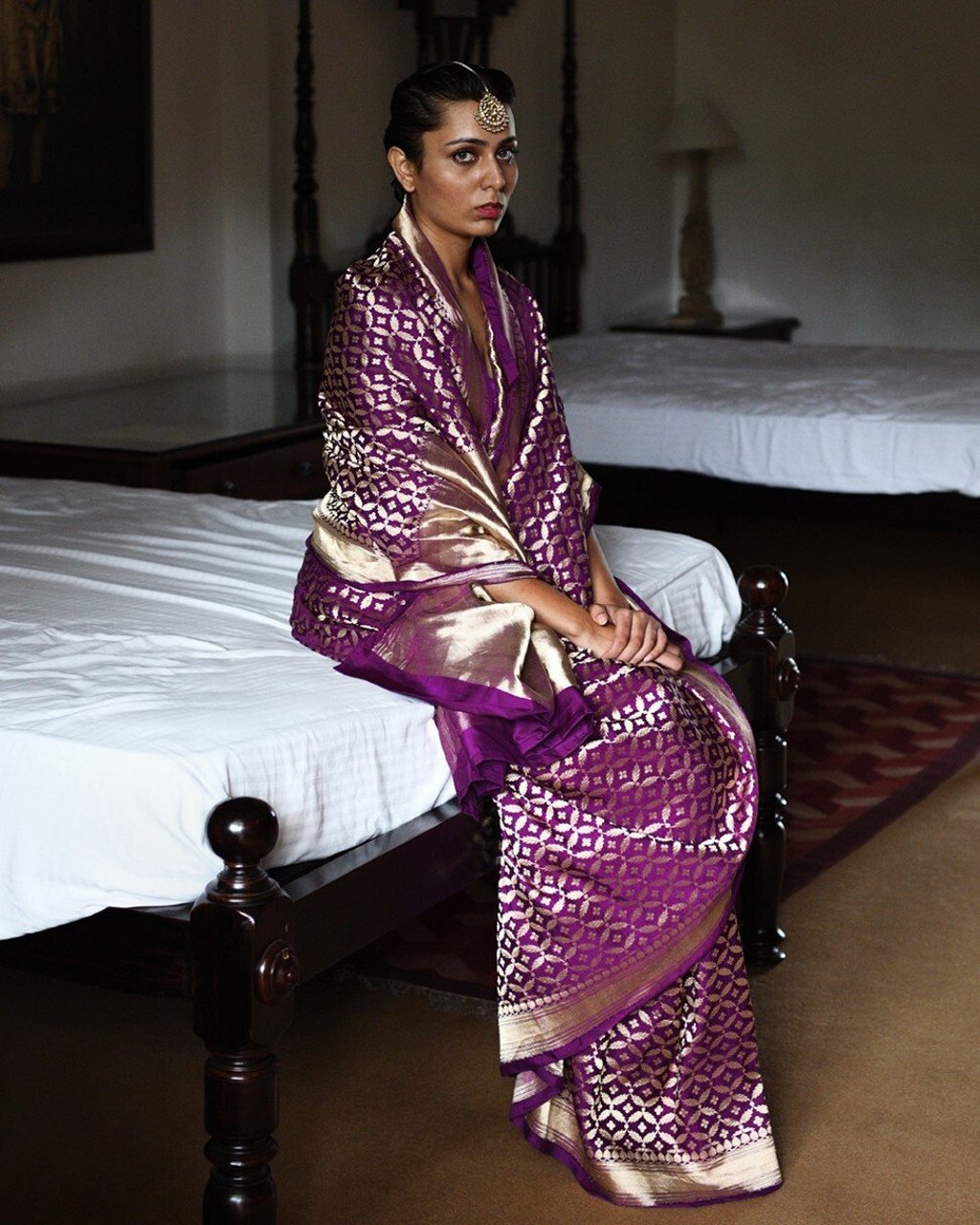
Six to nine metres in length, the sari is seen on catwalks, in Bollywood movies, and on the streets of rural and urban India. Worn by women from all walks of life, it epitomises grace and timeless elegance.
To Aradhana Chandra, a special needs educator and Hong Kong resident from Bijnor, in India’s Uttar Pradesh state, the sari is much more than a piece of clothing. It is a repository of her family history and a reminder of who she is.