Online clothes shopping has one big problem: returns. Here’s what retailers are doing about it
- Farfetch, Asos, Yoox and Shopify are increasingly using technology to ensure online shoppers buy clothes that fit at the first time of asking
- The biggest challenge is educating consumers and getting them willing to use new sizing solutions, one insider says

Shopping for clothes online has never been easier. You purchase an item you love and try it on in the comfort of your home before deciding whether to keep or return it, no questions asked.
While the customer reaps all the benefits – free shipping and returns have become an industry standard, especially during the pandemic – the same cannot be said for the retailer. The cost of return for a coat, for instance, can be two to three times more than getting it to the customer in the first place, according to research from professional services firm KPMG, based on UK shipping.
Meanwhile, compared to in-store return rates, which are around 5 to 15 per cent, e-commerce apparel returns are far more common, ranging between 50 to 80 per cent, according to an April report by research firm Bernstein. Those figures are considerably worse when compared with other categories such as shoes and beauty.
“The category that most retailers consistently have the highest return rates for is women’s fashion apparel and that’s mainly due to sizing issues,” explains Aneesha Sherman, co-author of the report and a senior analyst for European general retail at Bernstein. “During the pandemic, return rates actually dropped because women stopped buying items such as party dresses and opted for categories that don’t traditionally pose sizing and fit issues, such as sportswear and loungewear.”
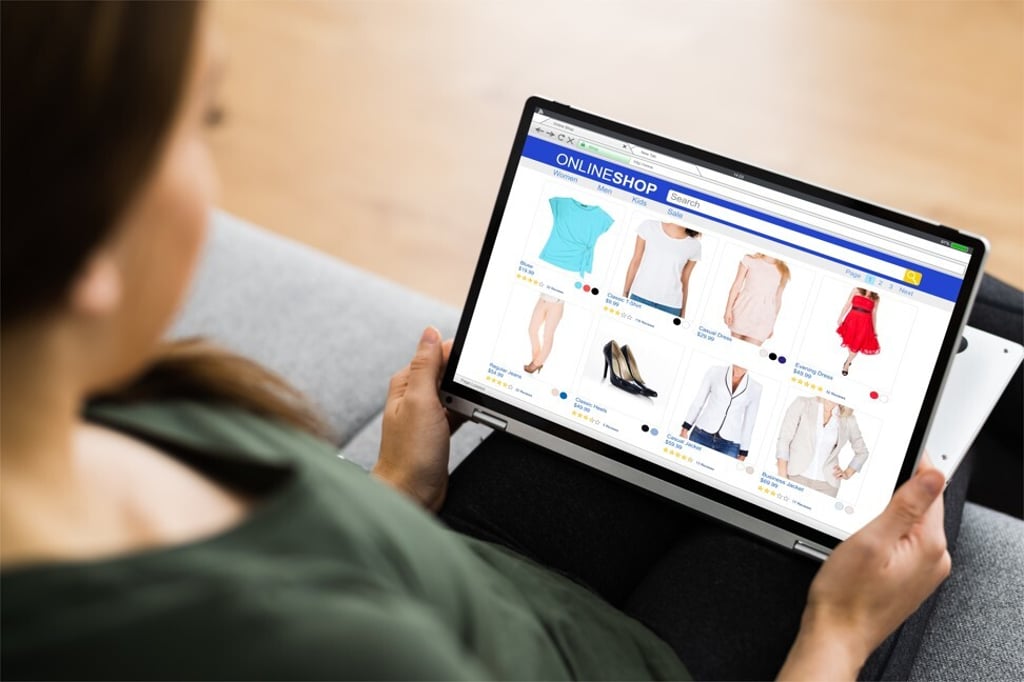
While purchasing the wrong size is a common mistake – standardised sizing is a persistent problem in women’s clothing – it can also be intentional. The Bernstein report highlights a trend known as “bracketing”, which is when a consumer orders multiple sizes of the same item with the intention of returning the ones that don’t fit, which means most of them.