Hanbok hangover: how traditional Korean dress influences today’s street-style and casual-wear designers
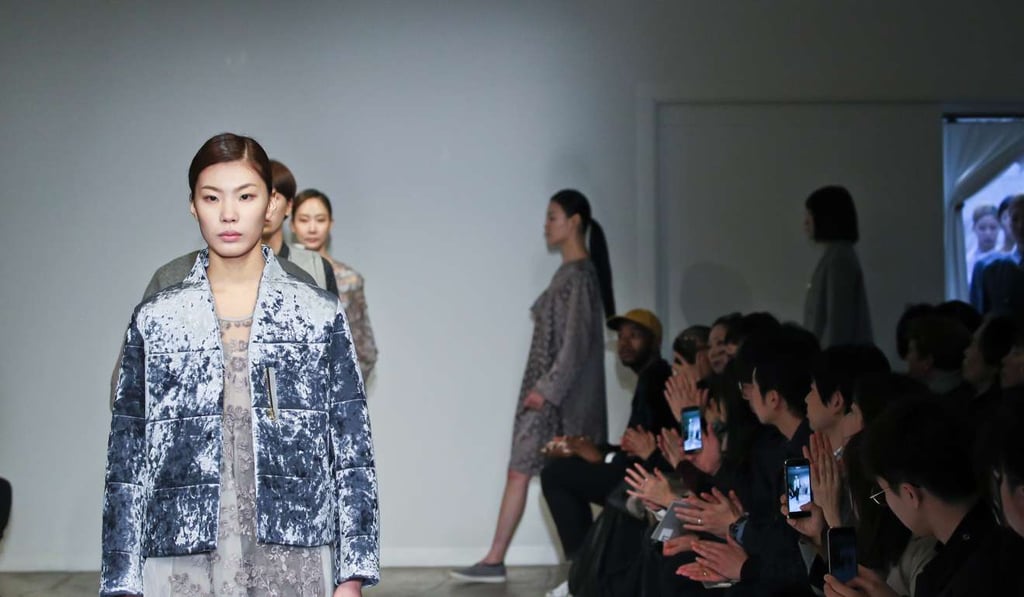
Designers at Seoul Fashion Week incorporated fabrics, shapes, patterns and detailing from traditional dress in their street-style and casual-wear collections for autumn-winter 2017

In South Korea, one of the most enduring influences on fashion design is the traditional hanbok. Long before Chanel presented a Korean-dynasty-inspired cruise collection in Seoul in 2015, Korean designers had played with different ideas for modernising the traditional national dress.
Veteran designers such as Lie Sang Bong have made use of traditional Korean fabric arts, including silk quilting techniques found on bojagi, Korean “wrapping cloths”, while the otherworldly creations of late designer Andre Kim often featured traditional patterns and an endless array of shimmering brocade. Seeing his collections on the catwalk made you feel like you were watching a futuristic Korean opera while floating in space.
The popularity of historical Korean dramas such Jewel in The Palace and Moon Embracing The Sun has contributed to a resurgence in the popularity of traditional wear among Koreans, while in everyday life the hanbok is often worn on important cultural days or at family events, such as weddings and first birthdays.
On the streets of Anguk and Insadong, popular hanok (traditional Korean house) neighbourhoods of Seoul, young Koreans and tourists alike can often be seen in borrowed hanboks, rented by the hour from local shops. Most of them wear bright, vibrant colours in deep reds, purple, gold, or bright pink – colours traditionally worn by Korean royalty. Muted greys and pastels were worn by commoners and peasants, depending on marital status and age; black and white hanboks are rarely worn because of the colours’ association with death.
