How China’s wealthy are spending more on luxury travel, and why that’s a challenge to diamond sales, says De Beers CEO
Sales of gemstones have been flat or declining for the past six years, and De Beers’ Bruce Cleaver says spending by China’s wealthy on luxury travel, electronics and fine dining affects how much they splash on diamonds

China’s new-found penchant for luxury travel poses the latest threat to a turnaround for the US$80 billion diamond industry.
Chinese deluxe spending on travel is the “fastest-growing competitor” standing in the way of diamond sales in the world’s biggest consumer market, says De Beers chief executive Bruce Cleaver. To win those travel dollars, he says, De Beers could even see itself tying up with the luxury travel market somehow.
“Luxury travel is certainly a competitor to diamonds,” says Cleaver. “If there’s a way to link luxury travel to an African destination where the diamond came from, we’d certainly look into that too.”
‘It looks like it glows’: rare 2.11 carat red diamond highly coveted by Hong Kong bidders
The world’s biggest diamond producer is seeking to kick-start an industry that’s seen prices for polished diamonds slump for the past six years. Its major Asian markets including China and India reported flat or declining sales in 2016. The company is also facing hurdles as a younger generation of Chinese shoppers spend more on high-end electronics, travel and fine dining than on baubles.
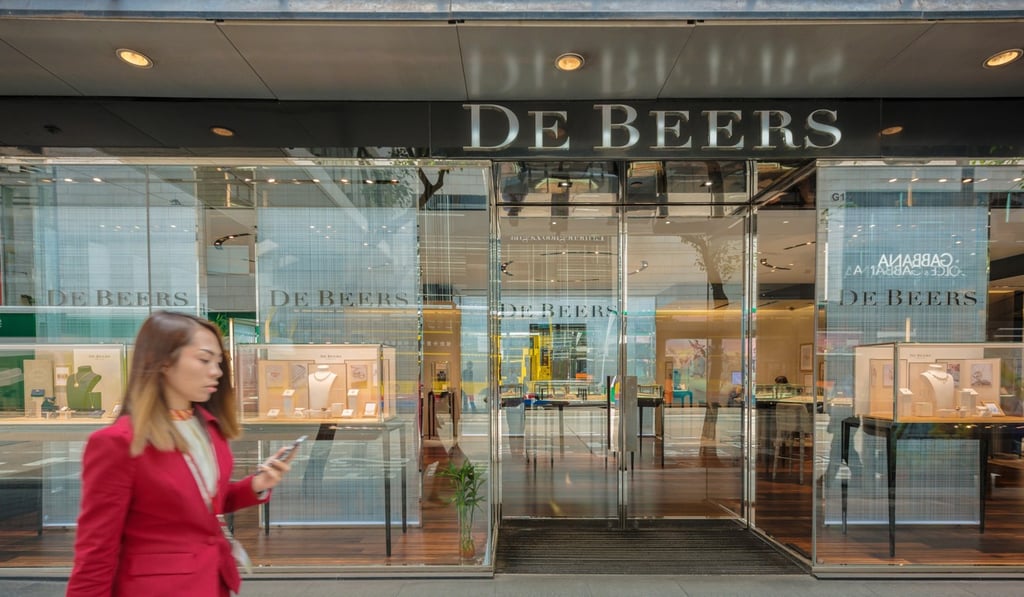
De Beers is seeking to influence buying trends by spending US$140 million this year to advertise diamonds, the largest amount since 2008. It is focusing on women in its main markets – particularly those between the ages of 18 and 33 – who De Beers says are buying diamonds for themselves as their earning power increases.