
Grape & Grain | From ridicule to renown: the story of Japanese whisky
How to tell your Yamazaki from your Hakushi and Hibiki: what makes each Suntory whisky special, and diferent from scotch
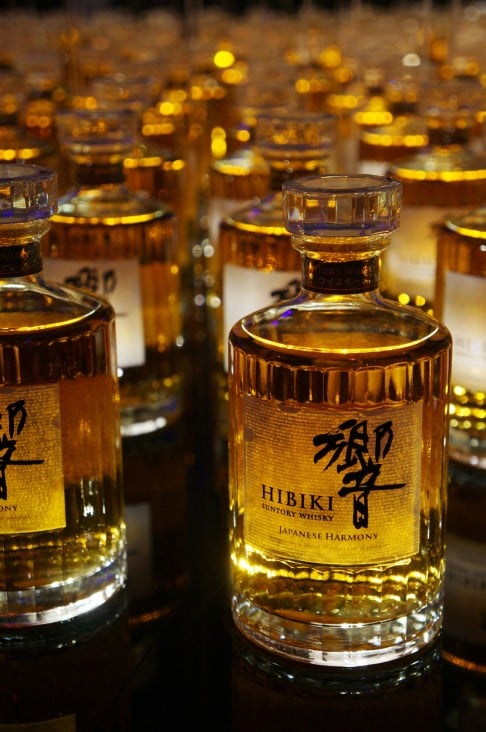
When I think of single malts and whisky, the image that comes to mind is of brawny men in kilts pushing barrels about in a cellar.
But Japan, with its meticulous attention to detail in all things, is the home of the award-winning Suntory whisky, which dates its humble beginnings to 1918 when Shinjiro Torii invested his family fortune in building Japan's first whisky distillery in the Yamazaki region just outside Kyoto.
Yamazaki is considered the source of the purest water in Japan; it is where three rivers meet - the Katsura, Uji and Kizu. Torii, after his travels through Scotland, thought the misty climate of that region would be ideally suited for whisky.
Many believed he was mad to do so and the naysayers were almost proved right when his first whisky, Suntory Shirofuda, sadly failed.
It was a lesson well learned as Torii realised that his whisky did not appeal to the Japanese palate. He figured out that rather than recreating what the Scots had been doing for hundreds of years, he had to draw upon the essence of what Japan does best - a meticulous respect for each ingredient and pure undivided attention to the process.