
Steeped in history: a cordial, liqueur or schnapps is a tonic whatever you call it
They started in medieval Europe as medical concoctions and aphrodisiacs, became popular among the nobility and today can be seen in any bar

When it comes to drinks, the word cordial can have at least two definitions. In the UK, it usually refers to sweet, concentrated syrups that are diluted to taste with still or fizzy water (think elderflower cordial). In North America, though, a cordial is a spirit made or flavoured with a fruit, spice or herb. Liqueur, which is what Europeans call cordial, is based on the Latin word, liquifacere, which means flavours that are dissolved in spirits.
Alcoholic cordials are usually sweet, or bitter in the case of anise-based spirits. The base spirit is usually neutral, but cognac and rum are sometimes used.
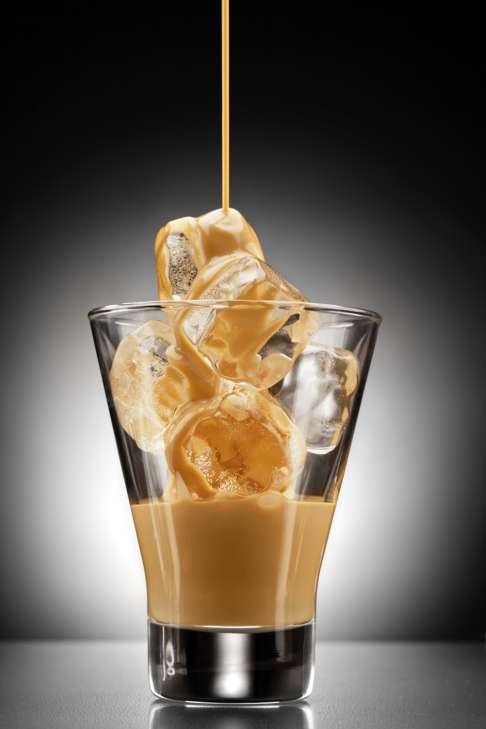
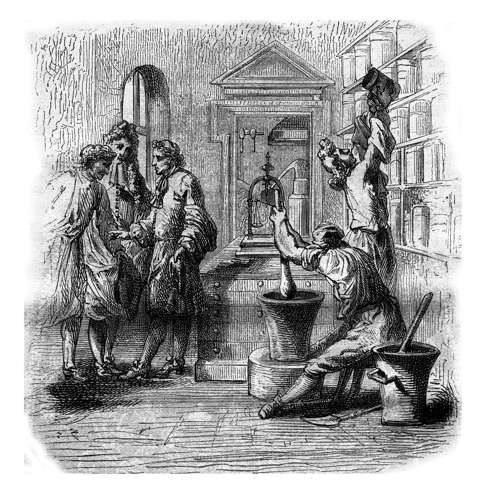
Many cordials can trace their roots back to the apothecaries of the 15th and 16th centuries. These were used as medicines, prescribed to invigorate the body, settle the stomach, and cure diseases. Some were considered aphrodisiacs, which made them very much sought after among the nobility. Some even had gold flakes or pearls added as these precious ingredients were considered a great help in preventing disease.

These cordials arrived in England in the late 15th century where they were taken for their medicinal effects.By the 18th century they were very popular amongst the aristocracy – more so for their intoxicating effects than any alleged medicinal purposes.