Indonesia’s local spirits: alcohol’s history and geography in the world’s largest Muslim nation
Although alcohol is heavily taxed in the country and frowned upon in Islam, alcoholic drinks have long been a part of Indonesia’s many cultures. From arak to sopi to tuak, we take a look at the island nation’s indigenous tipples

The Japanese have sake, the Koreans can’t get enough soju, and the Chinese are partial to baijiu. So how about locally made alcohol in Muslim-majority Indonesia? Perhaps surprisingly, a good number of alcoholic drinks are made throughout the world’s largest archipelago.
Indonesia doesn’t make life easy for drinkers. Alcohol is expensive, with import duties set at 150 per cent. Additionally, a ban on small retailers selling alcoholic drinks was introduced by the government in 2016 in a bid to curb consumption.
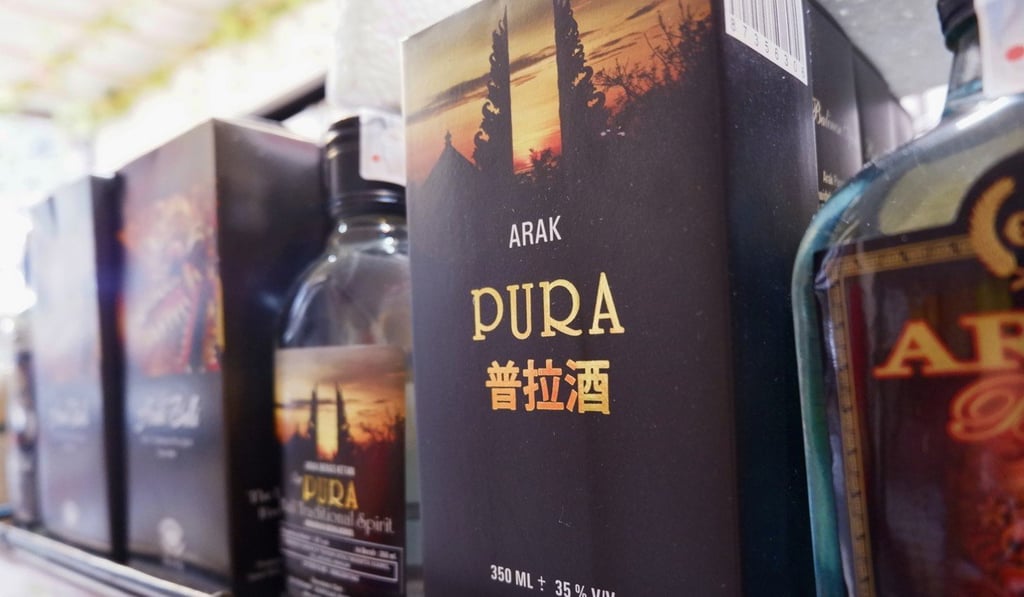
Still, drinking is an inseparable part of the indigenous culture in many local communities across Indonesia, where it often plays a large role in religious festivals and social gatherings. Local drinks are traditionally brewed – often in a backyard – typically by fermenting rice, sugar cane, coconuts or palm sugar, and flavoured with herbs or other ingredients.
Balinese roast pig: five best places to eat delicious treat in Ubud, where they cook it best
These drinks have been around a long time. On walls of the famous Borobudur temple in Yogyakarta, ninth century bas reliefs depict drink vendors and imbibing locals.