The hidden cruelty of Hong Kong’s mercy release industry
Freeing captured animals is a ritual that some Buddhists believe to be good for their karma. However, the effects on the animals and our biodiversity are far from beneficial

A young woman scoops a net full of clams out of a large bucket and sends them down a makeshift metal slide into Victoria Harbour. The clams, each about the size of a golf ball, rattle down the three-metre plank, sounding like hail on a tin roof, then disappear into the murky water. A large black-and-white fish swiftly follows.
This is mercy release, the practice of freeing captured animals, commonly carried out by Buddhists who believe the act brings them good karma. Buddhism is the religion of about 21 per cent of Hong Kong’s population.
To a casual bystander, the ritual taking place at the entrance of the North Point ferry pier on this hot, sunny afternoon seems serene. It is conducted next to a temple surrounded by religious statues where joss sticks burn and prayer flags flap.
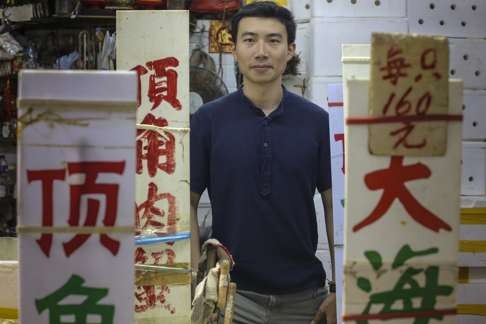
The vendors of good karma, on the other hand, are angry about our presence, yelling at us to put away our cameras. “You must leave.”