Oh for the quiet life: how Hong Kong battles with noise
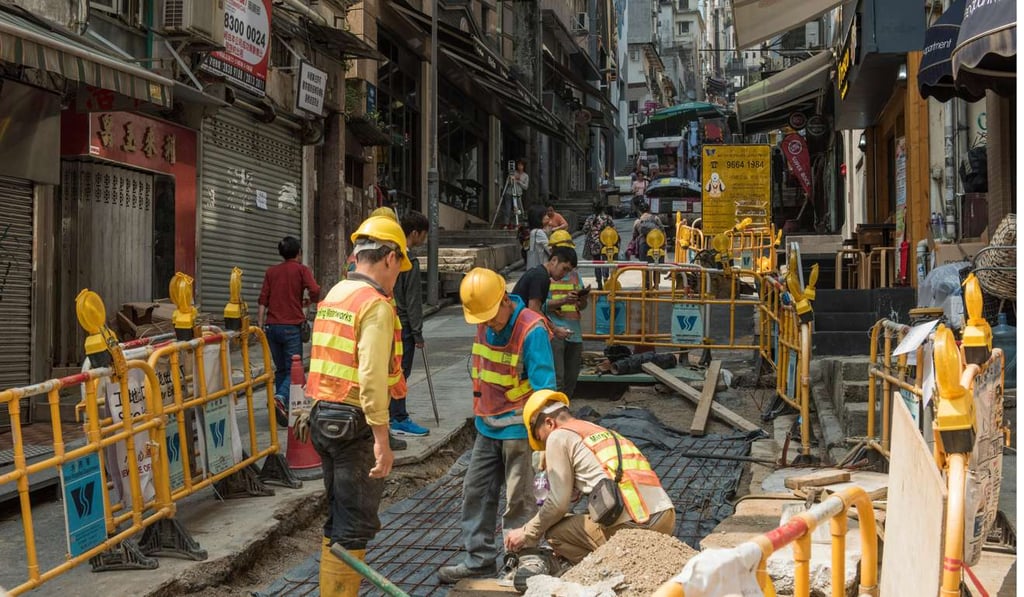
With a new study underlining link between urban noise pollution – from traffic, building sites and street activities – and hearing loss, what can Hong Kong do? Tighten construction and speed curbs, and require double glazing

With a land area of just 1,073 sq km and a dense built landscape dominated by residential and office towers, some noise pollution is inevitable. And official numbers speak volumes.
In 2016, there were 43,939 “Complaint Noise” cases reported through the 999 emergency hotline, covering neighbourhood noise, the din from intruder alarms and loud construction.
Noise pollution has nagged humankind for centuries. In ancient Rome, chariots were banned from the streets at night, while in medieval Europe authorities did the same with horse-drawn carriages so people could sleep.
And for good reason. There is increasing evidence that long-term environmental noise above a certain level can adversely affect health. A 2014 study in medical journal The Lancet said: “Observational and experimental studies have shown that noise exposure leads to annoyance, disturbs sleep and causes daytime sleepiness, affects patient outcomes and staff performance in hospitals, increases the occurrence of hypertension and cardiovascular disease, and impairs cognitive performance in schoolchildren. We stress the importance of adequate noise prevention and mitigation strategies for public health.”