Hunger games: how lack of sleep can trick you into the junk food obesity trap
Less than seven hours’ rest for adults can cut output of a hormone that signals you’ve had enough to eat, produce more of another that increases hunger and also stir cravings for unhealthy, high-calorie food

Question: Does being sleep deprived increase your desire for junk food?
The short answer: Yes
The effects of sleep deprivation are well known. Bleary eyes and gaping yawns aside, not getting enough shut-eye at night is associated with decreased focus, alertness and concentration, problems with memory, difficulty making decisions, an increased risk of developing cardiovascular disease and high blood pressure, depression, and emotional instability. Skimping on sleep also has a well-documented link to weight gain and obesity. And there are few reasons for this.
Sleep-deprived and internet-mad, Hongkongers place last in healthy living survey of Asia
Firstly, people who are chronically deprived of sleep feel hungry more often and tend to eat more because their brain cannot sense when their hunger is satiated. According to Ingrid Kan, a Hong Kong-based dietician, with insufficient sleep, the body produces less leptin, a hormone made by fat cells that basically signals to your brain that you have had enough to eat. At the same time, sleep deprivation causes an increase in ghrelin, a hormone released by the stomach that increases hunger and appetite. This hormone also stimulates the gastric motility and the secretion of gastric acid.
Even a few days of insufficient sleep can have the same effect on leptin and ghrelin levels. Kan points out that in one study, after six days of bedtime restriction to four hours per night, the plasma concentration of leptin in subjects was markedly decreased, particularly during the night.
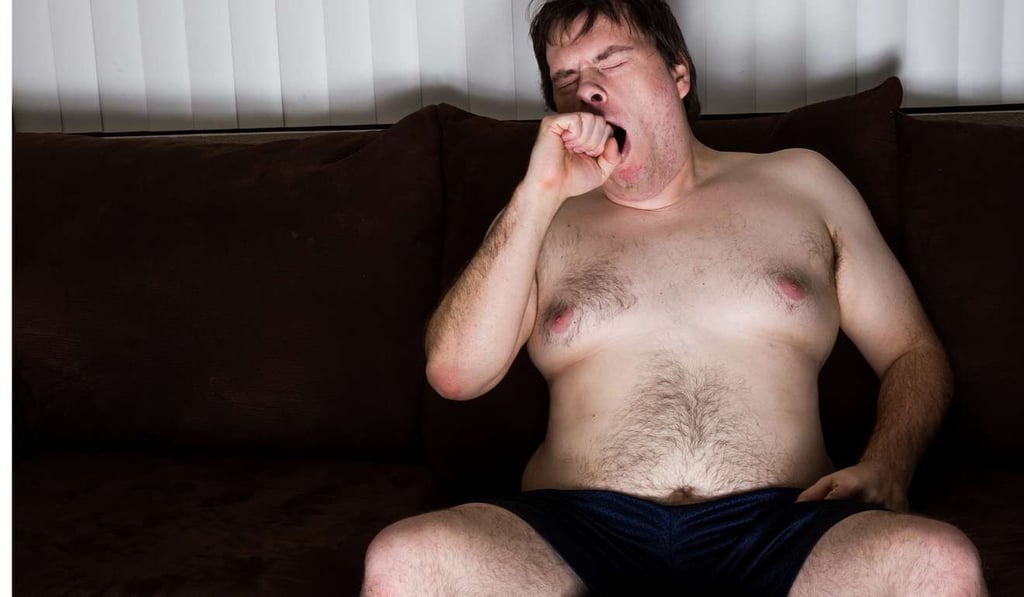
The second reason we tend to put on weight when we’re sleep-deprived: Simply put, when we don’t get enough sleep we feel more lethargic. This lack of energy makes us more inclined to skip exercise, which can in turn cause us to conserve calories.