Vegan dogs and cats in Hong Kong – how diet lowers pets' carbon footprint and improves their health, according to owners
Veganism among humans is growing, and some Hongkongers, concerned about the pet food industry and the carbon “paw prints” of their furry friends, have put them on a dairy- and meat-free diet they say is better for them

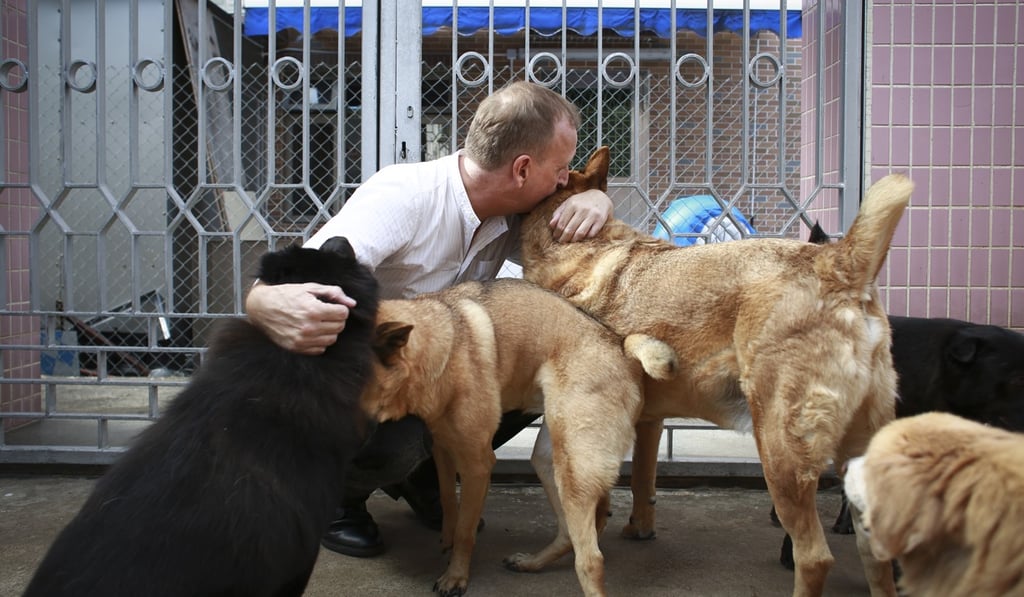
After a day at the office, Marcus Turner can’t make it through his front door without being mobbed by a pack of exuberant dogs. He doles out scratches, pats and digestive biscuits, the treat of choice for Turner’s canine companions, who, like their owner, are vegan. None eat food containing meat, eggs or dairy products.
Turner, a partner in a manufacturing company, turned vegetarian not long after relocating to Hong Kong from Britain in the late ’90s, then became a vegan 12 years ago. As he cut animal-derived products from his lifestyle, he did the same for his nine dogs, all of whom were once strays.
“I figured, if I’m vegan because I don’t think it’s necessary for me to be consuming animal products, then it’s not necessary for [my pets] to be eating animal products,” Turner says. “I started looking into it, and couldn’t see any reason why they couldn’t be vegan, too.”
Cancer-causing toxin found in Hong Kong pet food sparks alarm
Vegan cats and dogs are a fairly recent phenomenon in Hong Kong, says Dr Tom Mangan, president of the Hong Kong Veterinary Association, who advises caution before making drastic changes to an animal’s diet. “The concern ... is that unbalanced diets will be fed to pets resulting in poor health and animal welfare issues,” he says. “Dogs ... are omnivores and [will] happily eat meat and vegetables, whereas cats are obligate carnivores and require meat to supplement, in particular, their taurine and cobalamin [Vitamin B12] levels.” Talking to a vet should be the first step for curious pet owners, says Mangan.