How Chinese children are at higher risk of obesity from lack of sleep and late bedtimes
Less sleep causes an appetite imbalance, which causes us to overeat. In China, cultural influences including long hours of study, less exercise and later bedtimes, mean that Chinese children are more at risk than Western kids

We know from research that children who do not get enough sleep run a higher risk of developing obesity than those who sleep well. A recent study into the sleeping habits of children aged nine to 12 in Guangzhou, southern China, came to the same conclusion. It also found that Chinese children are sleeping less than youngsters in the US and Europe, so as a consequence, they are at a higher risk.
Peymane Adab, professor of chronic disease epidemiology and public health at the University of Birmingham in Britain, which collaborated with Sun Yat-sen University and the Guangzhou Centre for Disease Control and Prevention in the research, says Chinese children in the age group studied tended to go to bed later than their Western counterparts.
Can you get too much sleep? And is it bad for you?
“Not only did our study demonstrate an association between shorter sleep time and obesity in the pre-adolescent/early adolescent children, we also found that independent of the amount of sleep, going to bed late at night – even if you sleep longer – is also a risk factor for increasing obesity,” she says.
There are a number of possible explanations for this, Adab says – some biological and some environmental. “Less sleep leads to an imbalance in appetite regulating hormones, which makes us more likely to feel hungry and therefore eat more. There are genetic factors that alter the hormonal influence and can predispose to obesity,” she says, but there is no evidence that these genetic factors are different in Chinese populations.
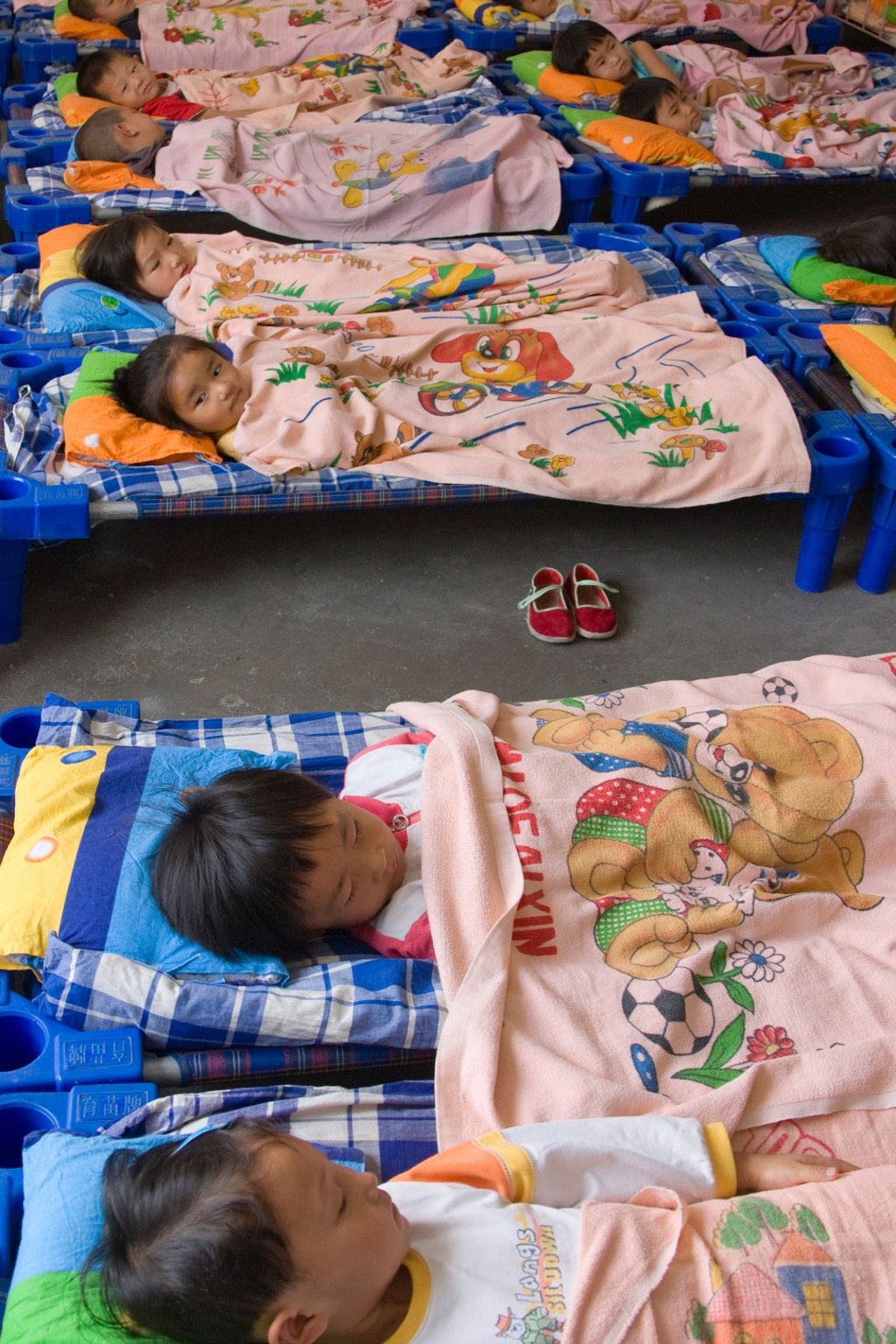
However, cultural and social characteristics in China may play a role. One example is parental expectations, particularly the pressure to perform well academically, which in turn can lead to more study time, less exercise and later bedtimes, Adab says. Then there’s later evening meal times and different societal norms around sleep.