How a varied vegan diet can make most people fitter and healthier – plus recipes and experts’ tips
Vegan fitness trainer and bodybuilder Olis Chan eats a wide range of grains, nuts and seeds and is healthier and less prone to illness than ever before. However, the plant-based diet is not for everyone, say experts

Personal trainer and co-founder of Vegan Fitness Olis Chan, with his rock-hard six-pack and bulging biceps, is 100 per cent plant-powered. He became a vegetarian 14 years ago.
“I was getting sick a lot, and had problems such as eczema. My Buddhist sifu suggested that I try vegetarianism as a way of getting over these illnesses – and it worked,” says the 42-year-old, who claims that he now falls ill only about three times a year.
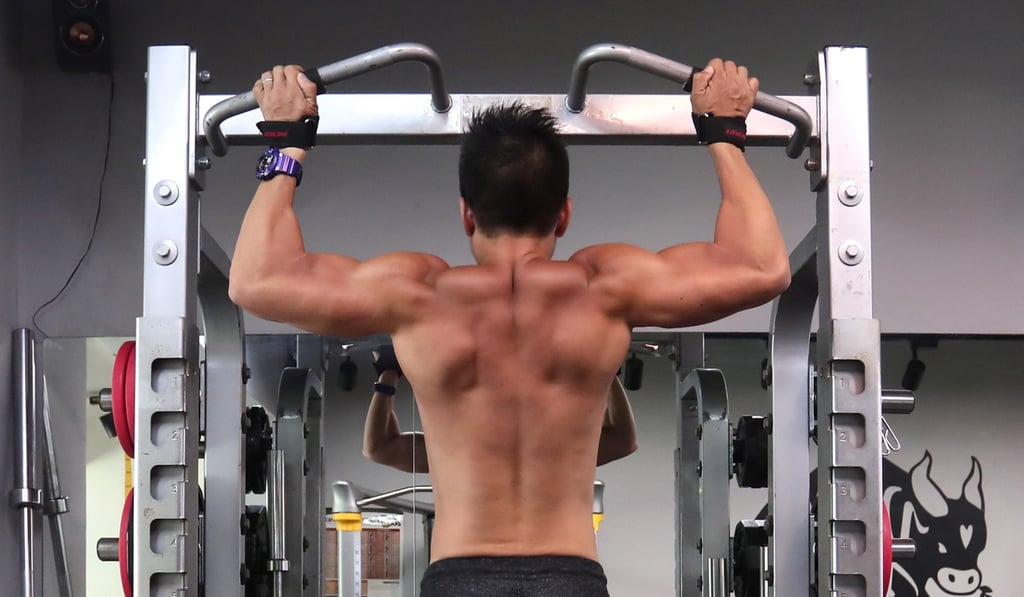
Chan later went vegan for health and ethical reasons. But his transition from vegetarian to vegan was one of trial and error. The bodybuilding enthusiast had already experienced a loss of muscle mass and strength during the first few months of adopting the vegetarian diet – but little did he expect that he would lose almost one-third of his body weight on his vegan diet.
“I ate mainly what many Chinese people would instinctively associate with a vegan diet: tofu and beans. That went on for a year – until I learned that vegan bodybuilders overseas were eating a variety of grains, nuts, seeds and legumes,” says Chan, who then switched his diet and began rebuilding muscle and strength.
Miles Price, a functional medicine practitioner and clinical nutritionist at Life Clinic in Central, emphasises the importance of eating a variety of plant proteins to prevent amino acid deficiency in a vegan diet. “Animal proteins are complete proteins and have all the amino acids the body needs,” he says, adding that most plant-based proteins don’t. (Soybeans, and grains quinoa and amaranth do.) “It’s especially important to include a variety of grains, seeds, nuts and legumes in your daily vegan diet.”