Sleeping allows the brain to cleanse itself - but too much is harmful
A good night's sleep allows the brain to cleanse itself, but too much might be worse than too little, David Tan discovers
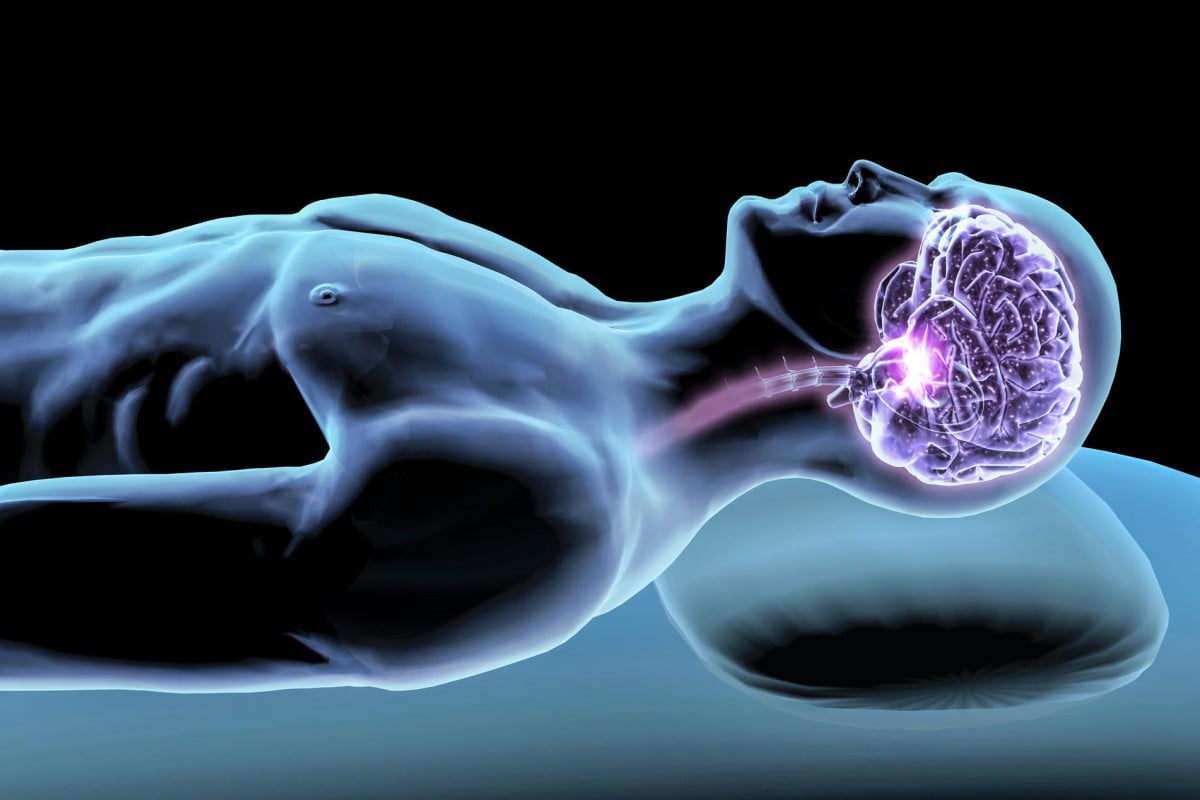
Sleep - we all love it but we typically don't get enough of it. In bustling cities such as Hong Kong, where life is fast and furious, sleep can seem like a luxury left to be savoured only on weekends and holidays.
We all know that sleep is good for us, and now scientists in the US report new evidence why: the brain changes when we sleep to clean out harmful toxins that have built up during the day.
It's critical that adults aim for seven to nine hours of sleep each night
Lulu Xie and fellow neuroscientists at the University of Rochester Medical Center used new medical imaging techniques to observe the brains of mice that were either asleep or awake. Scientists knew that the amount of energy consumed by the brain does not decrease much while we sleep, but they did not know how that energy was being used.
The brain has a unique method of waste removal, known as the glymphatic system, a kind of plumbing system that washes away toxins by pumping cerebral spinal fluid (CSF) through spaces between brain cells. Interestingly, Xie and colleagues found that the glymphatic system was almost 10 times more active during sleep.
In addition, they saw that cells in the brain "shrank" by 60 per cent during sleep. This contraction creates more space between the brain cells and allows CSF to wash more freely through the brain tissue.
By contrast, when the brain is awake, cells are closer together, restricting the flow of CSF.