Frank Sinatra: the voice for every generation
December 12 marks the centenary of Ol’ Blue Eyes, a man who transformed American song. Dan Deluca reflects on how Sinatra continues to speak to each generation anew

The other night, I got a text from a friend who was engaged in a barroom discussion. It was a greatest-concerts-ever debate, and the question was this: what are the three best shows you’ve ever seen?
I knew I’d have to mull that one for a while. I have an answer at the ready for No 1: Bruce Springsteen & the E Street Band at the Spectrum in South Philadelphia in December 9, 1980. It was the night after John Lennon was murdered, and also the night after I had seen Springsteen for the first time.
But I’m not going to write about the best shows I’ve seen, and not about Springsteen, either. Instead, the question got me thinking about the shows I wish I could live through all over again, which is something different. That brings me to a different guy from New Jersey, who would have been 100 years old on December 12 if he had turned out to be as truly indomitable in the flesh as his music often made him sound. A guy who, as Springsteen once put it, had “a voice filled with bad attitude, life, beauty, excitement, a nasty sense of freedom, sex, and a sad knowledge of the ways of the world”.
Yes, ladies and gentlemen, The Voice himself: Frank Sinatra.
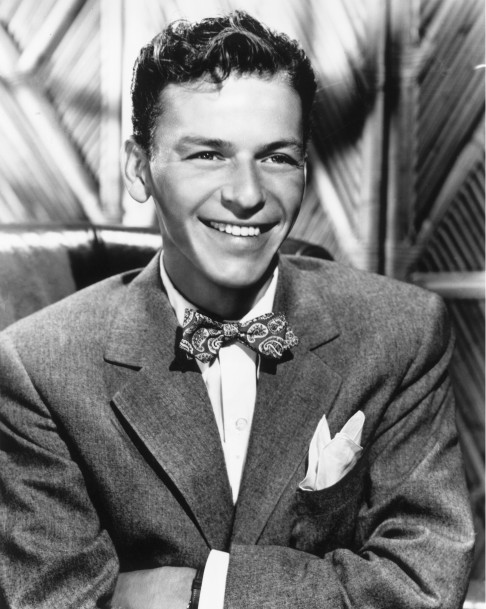
I don’t think I would put any of the times I saw Sinatra perform live in the best-shows-I-ever-saw category. They were all towards the back end of a storied career. Other competitors for those honours might be The Clash at Bond’s International Casino in New York in 1980, or Nirvana in Philadelphia in 1991.
Besides, I’m really not crazy about the idea of looking back and revelling in great shows of the past. The whole point of going to see live music is built on the stubborn hope that something magical might be on the cards, or, as Sinatra sang on the 1964 album It Might as Well be Swing, in a song written by Cy Coleman and Carolyn Leigh, while accompanied by Count Basie and His Orchestra, under the direction of Quincy Jones: The Best is Yet to Come.