Clockenflap headliners New Order return to Hong Kong as electronic music’s elder statesmen
British band’s blend of rock, pop and dance blazed a trail for indie acts for decades to come

New Order were on the cusp of world stardom when they last played in Hong Kong. Now they are preparing to return to the city as icons of electronic music, headlining this month’s Clockenflap festival on top of a bill of acts that owe much to the British quartet.
The pioneering Manchester band were yet to score with massive hits such as True Faith or World in Motion when they played the then newly opened Canton Disco in April 1985. Just five years later, they were one of the biggest acts in the world, having melded their electro-pop sound with the nascent house music emerging from the US.
It was a move that would encourage indie bands to get their dancing shoes on for decades to come. From newcomers Gengahr and Clean Bandit, to established acts such as Ride and Battles, a slew of this year’s Clockenflap stars probably wouldn’t be around were it not for the electronic trail blazed by New Order.
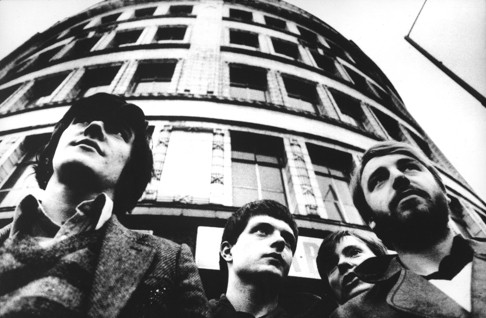
“Going to a New Order show is like zooming through a history of British cultural life of the last few decades, while marvelling at just how many big hits and great songs they have knocked out over this time,” Trainspotting author and music fan Irvine Welsh has written on Singularity, a website devoted to the band. “I’ve danced, partied, wooed, lost, won, courted, got married to New Order.”
The New Order story is one of pop’s most celebrated. Formed from the remnants of Joy Division, the band spent much of the next decade fighting to shake off the stigma of lead singer Ian Curtis’ suicide. Despite scoring a huge dance floor hit with Blue Monday in 1983, it wasn’t until six years later with the album Technique that they began to reap the rewards of their hard work.
Any review of the most influential music of the 1980s isn’t complete without a chapter on the way New Order shaped underground and dance music.