Where to find and how to photograph the Northern Lights
Expert astronomers and Hong Kong photographers share their tips on where to see and how to shoot one of the most popular bucket-list events

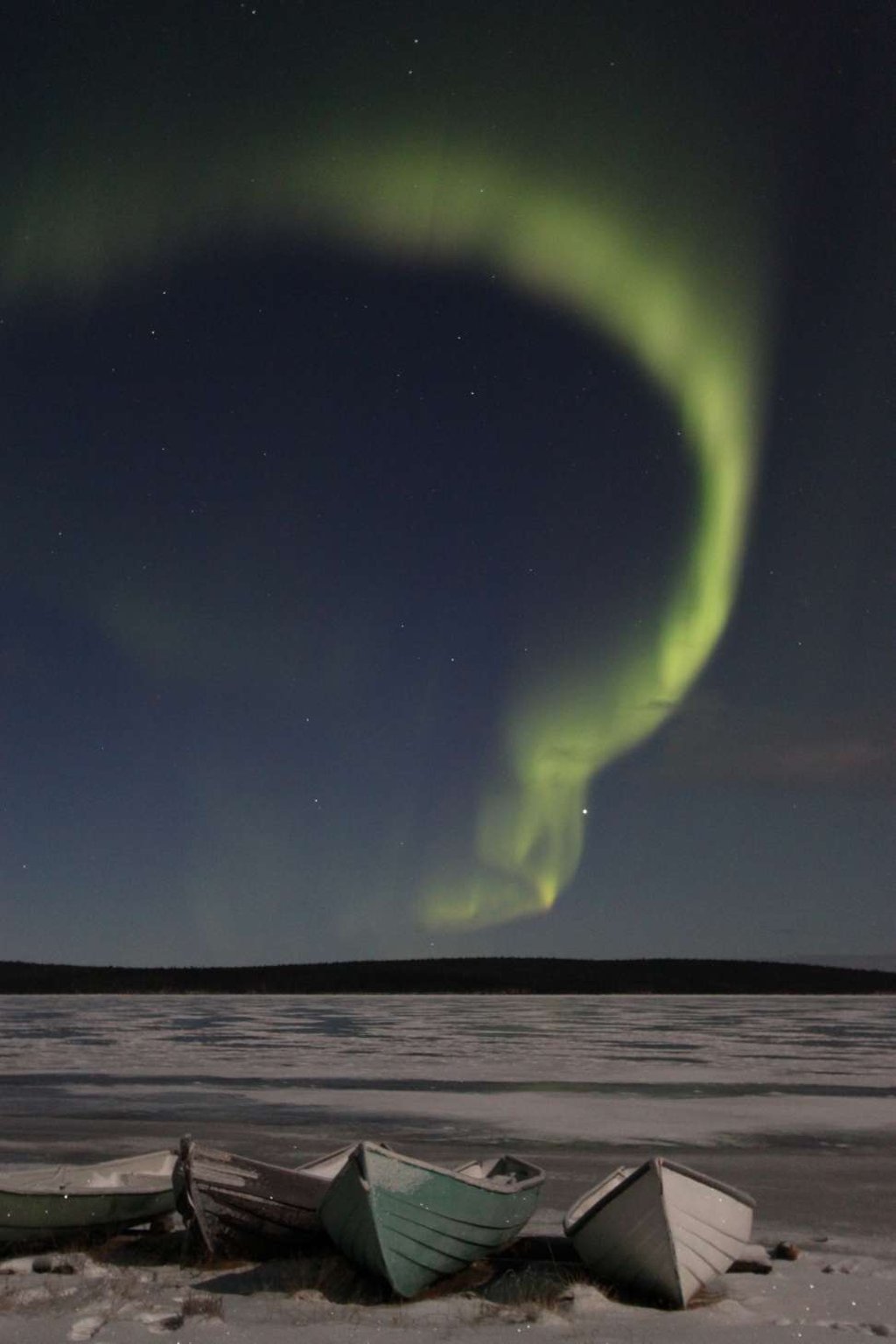
If you’re anywhere near the Arctic Circle, sleep with the curtains open. I always follow that travel advice, but on this occasion I’m woken at 5am by a phone call. “Aurora outside the hotel,” cries a voice. I can hear people running down the corridors, and I join them, pulling on layer upon layer of winter clothing as I tumble outside into deep snow. The Northern Lights are twisting, pulsing and streaming across the sky above.
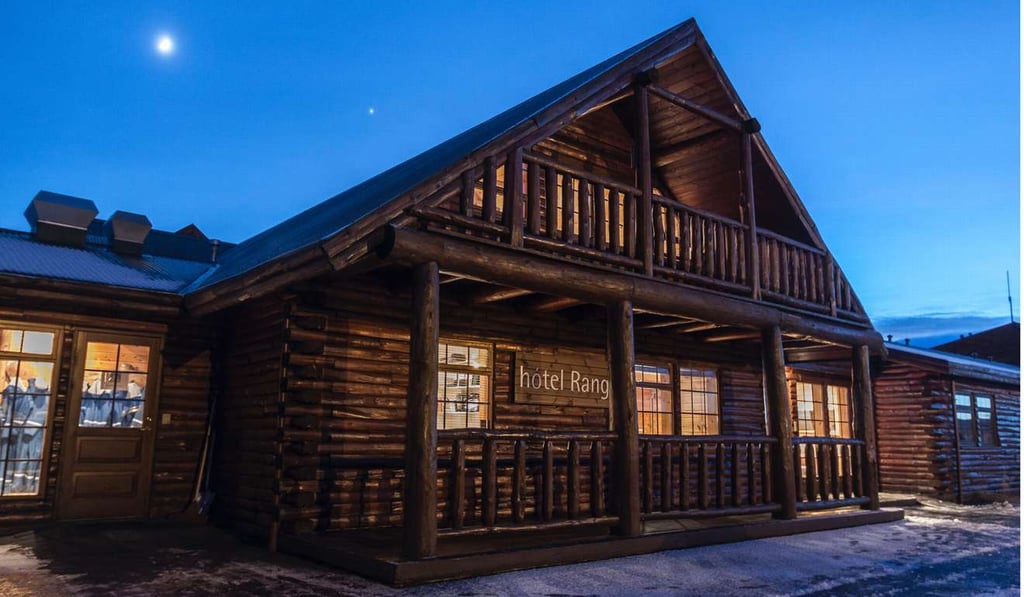
Two hours later and I’m back inside the snug Hotel Rangá, a four-star wilderness hotel in southern Iceland where the staff are on constant lookout for the unpredictable displays that so many tourists – including Hongkongers – travel to witness.
“Hong Kong travellers have shown a growing appetite to travel to northern Europe in the hope of seeing the Northern Lights as opposed to travelling to Alaska and northwest Canada,” says Fang Fang, senior marketing manager at Skyscanner Greater China. Searches performed on its flights booking platform from Hong Kong grew during 2016 for Finland (80 per cent), Iceland (68 per cent), Sweden (57 per cent) and Norway (52 per cent) while searches for Alaska slumped 55 per cent. Figures from travel metasearch engine Kayak demonstrate a more dramatic rise since last July as plans were made to visit this winter, with search volumes massively up for Norway (222 per cent), Finland (175 per cent), Iceland (138 per cent) and Sweden (117 per cent).
However, it’s very hard to recommend a ‘best’ place to see the Northern Lights. “The weather is the biggest thing you need to think about when choosing somewhere,” says Dr. Melanie Windridge, author of a new book Aurora: In Search of the Northern Lights. “The Northern Lights happen hundreds of kilometres up, so any clouds will block the view, but you can see them anywhere in the auroral zone between about 65°N and 75°N magnetic latitude,” she adds. That area includes northern Norway and both Finnish and Swedish Lapland, the remote Greenland, northern Canada and Alaska. The Southern Lights are just as active, but there’s a lot less landmass in the ‘aurora zone’ in the Southern Hemisphere, and even in the best spot – Dunedin in New Zealand – they’re relatively rare.