Why Singapore’s insistence on culturally sensitive gentrification is a model for Hong Kong
The Lion City has managed to modernise its old neighbourhoods, while still retaining their traditional charm and character. We look at seven areas that have undergone development without losing their identity

Say the word “gentrification” and a number of clichés spring to mind: exotic restaurants with cuisine from far-flung places, hipster cafes rendered in minimalistic decor, bars serving craft beer – and the loss of character that defines a place.
In Singapore, however, where modernisation moves at a rapid pace, gentrification has also given many old neighbourhoods a facelift, while leaving their traditional character intact.
“It is only when more people begin to witness the underlying real estate potential of a neighbourhood and start to participate in it that gentrification occurs,” says Yeo Kang Shua, assistant professor of architectural history at Singapore University of Technology and Design.
Economic, market-driven forces are not always driven by property developers, he adds. “A traditional shop owner may give up his business and rent the premises out.”
Preserving the characteristics of a building’s heritage while ensuring its relevance has long been integral to Singapore’s conservation philosophy. One example is a project by the Urban Redevelopment Authority, whose mission is to turn disused spaces into new places of interest and recreation. Baba House was built in the 1890s.
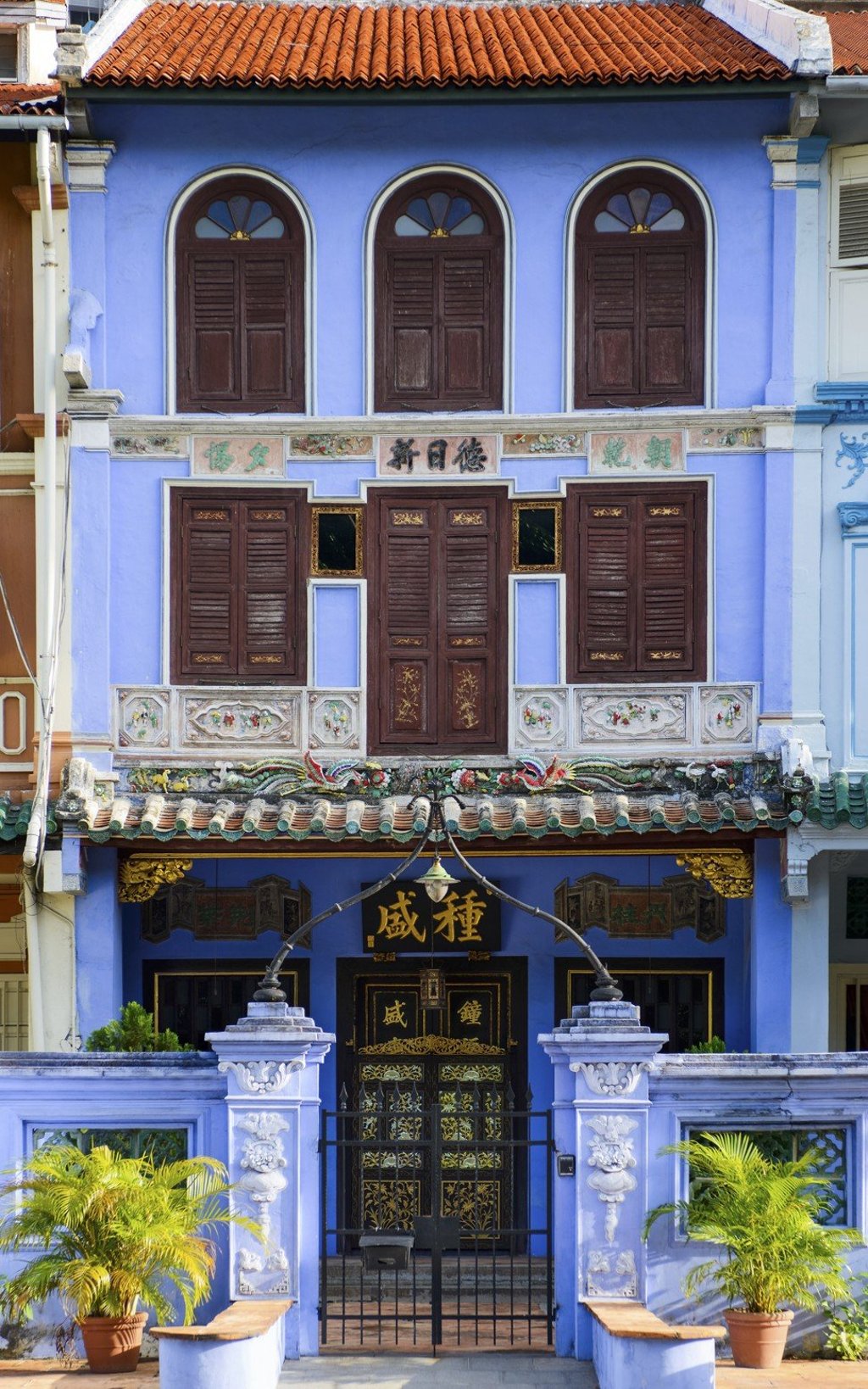
The private residence was restored as a museum showcasing the Peranakan culture of the Straits-born Chinese and opened to the public in 2008.