How urban renewal cost Hong Kong historic business districts and handed developers big profits
Wedding Card Street, Cloth Street, Bird Street, home to thriving decades-old businesses dear to Hongkongers’ hearts, were flattened to make way for Lee Tung Avenue, The Center and Langham Place. Traders reflect on their loss

Hong Kong’s urban history may be relatively short, but the city has been developed and redeveloped so many times it already has the layers of a much older metropolis. Next time you walk through a glitzy shopping centre or the lobby of a high-end office tower, you may well be treading on the ruins of a completely different neighbourhood.
Take Lee Tung Avenue for example. The pseudo-colonial buildings that line this leafy shopping and entertainment promenade in Wan Chai are home to imported Japanese brands like Omotesando Koffee and trendy bars like the burlesque-inspired Ophelia.
The bells toll for Wedding Card Street
Until 10 years ago, however, it was the site of what was known as Wedding Card Street because of the many wedding card printers with shops there. Lee Tung Street was razed in December 2007 by the Urban Renewal Authority (URA) despite widespread opposition.
That controversy is still fresh in the minds of many Hongkongers, but others have faded from public memory. In Central, office tower The Center was sold in October for HK$40.2 billion (US$5.1 billion) – believed to be the highest price ever fetched by a single office tower anywhere in the world.
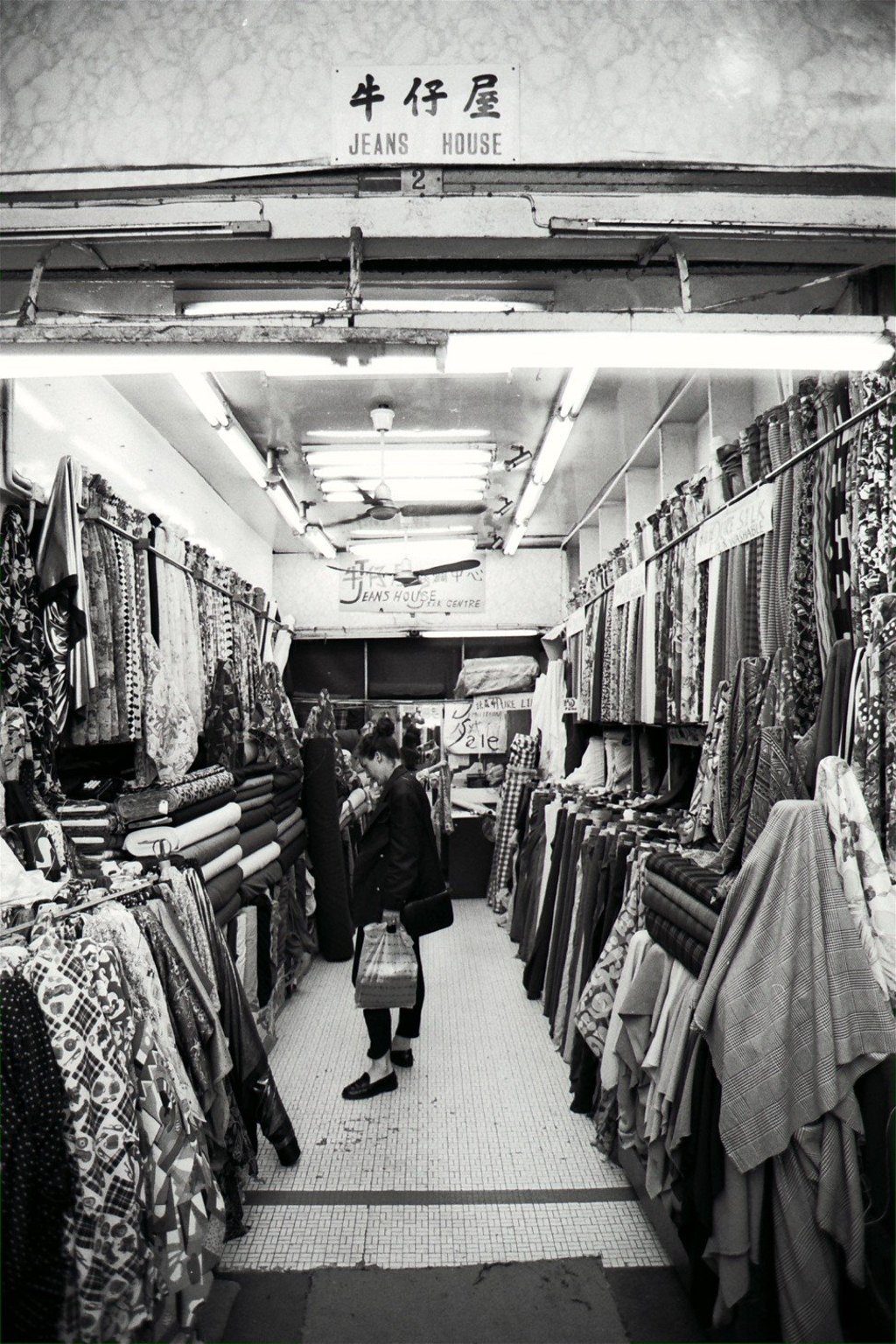
It was a huge windfall for its owner, CK Asset Holdings, whose chairman is Li Ka-shing, Asia’s richest man. But not much was said about how The Center was conceived or the businesses flattened to make way for the officer tower, which was completed in 1998.