Macau artist James Wong Cheng-pou turns to classics for imagination

James Wong Cheng-pou’s latest collection, A Bonsai of My Dream, is now being exhibited at the Macau-China Pavilion in the international contemporary visual art exhibition
Generations of imaginative ideas have been inspired by the numerous deities and peculiar creatures in the ancient Chinese text, Shan Hai Jing, also known as the Classic of Mountains and Seas. Celebrated modern Chinese author Lu Xun penned a short story titled Ah Chang and Shan Hai Jing in 1926, and famous Taiwanese cartoonist Tsai Chih-chung directed A Tale From The Orient animation based on a chapter from the book in 2015. The text’s content also led to the production of comic, online game, film and TV drama series adaptations.
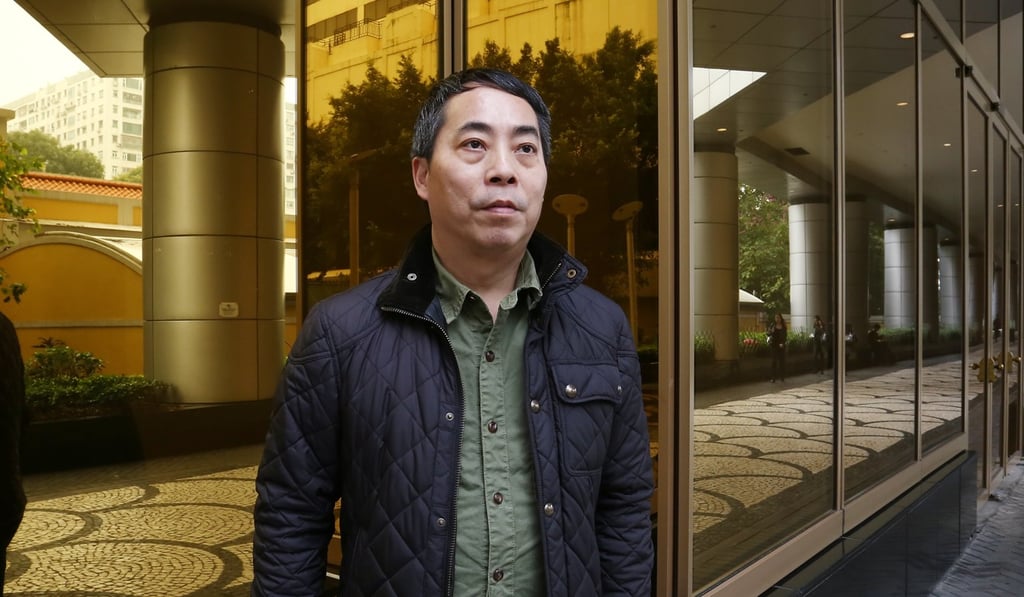
“I’m fascinated by fantasies and myths. In Shan Hai Jing, the gods and landlords of different areas and mountains manage and govern their own territories. It’s just like how the casino world in this city operates,” says Wong, who, while in London in the 1990s, first readShan Hai Jing – a compilation of Chinese mythology, geographical, cultural and species, which originated as early as 200BC.
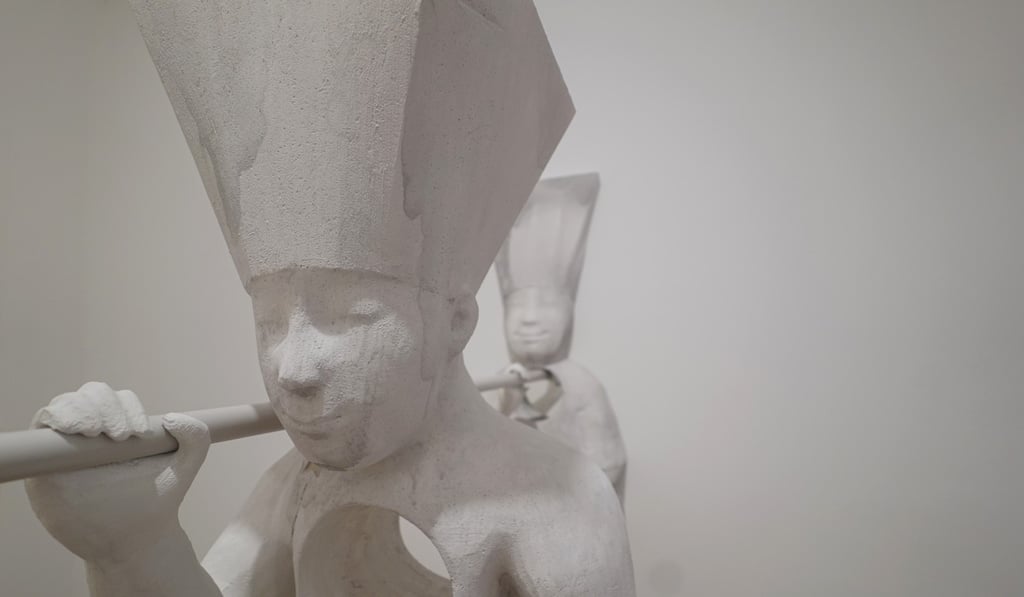
The collection, comprising 17 works from sculptures, to paintings
and mixed-media works, is now being exhibited at the Macau-China Pavilion in the international contemporary visual art exhibition, International Art Exhibition – La Biennale Di Venezia, one of the most prominent contemporary art events in the world and commonly known as the Venice Biennale, which will be held in the Italian city until November 12.
Established in 1895, the exhibition is titled Viva Arte Viva and features 120 invited artists from 51 countries and 86 national participations this year. It is the sixth time Macau has participated in the event since 2007, showcasing the characteristics of the city through the perspectives of leading local artists
The 57-year-old artist, who was born and raised in Macau, says the changes in the city over the past decade remind him of the creatures in the Chinese classic. “I have no intention of satirising anything through the past. In fact, it’s not worth doing that. The changes are already there and everyone has noticed how it has changed,” he says, adding that his works are therapeutic and the collection is a reflection of his observations, feelings and imagination of the city.
I’m fascinated by fantasies and myths. In Shan Hai Jing, the gods and landlords of different areas and mountains manage and govern their own territories. It’s just like how the casino world in this city operates
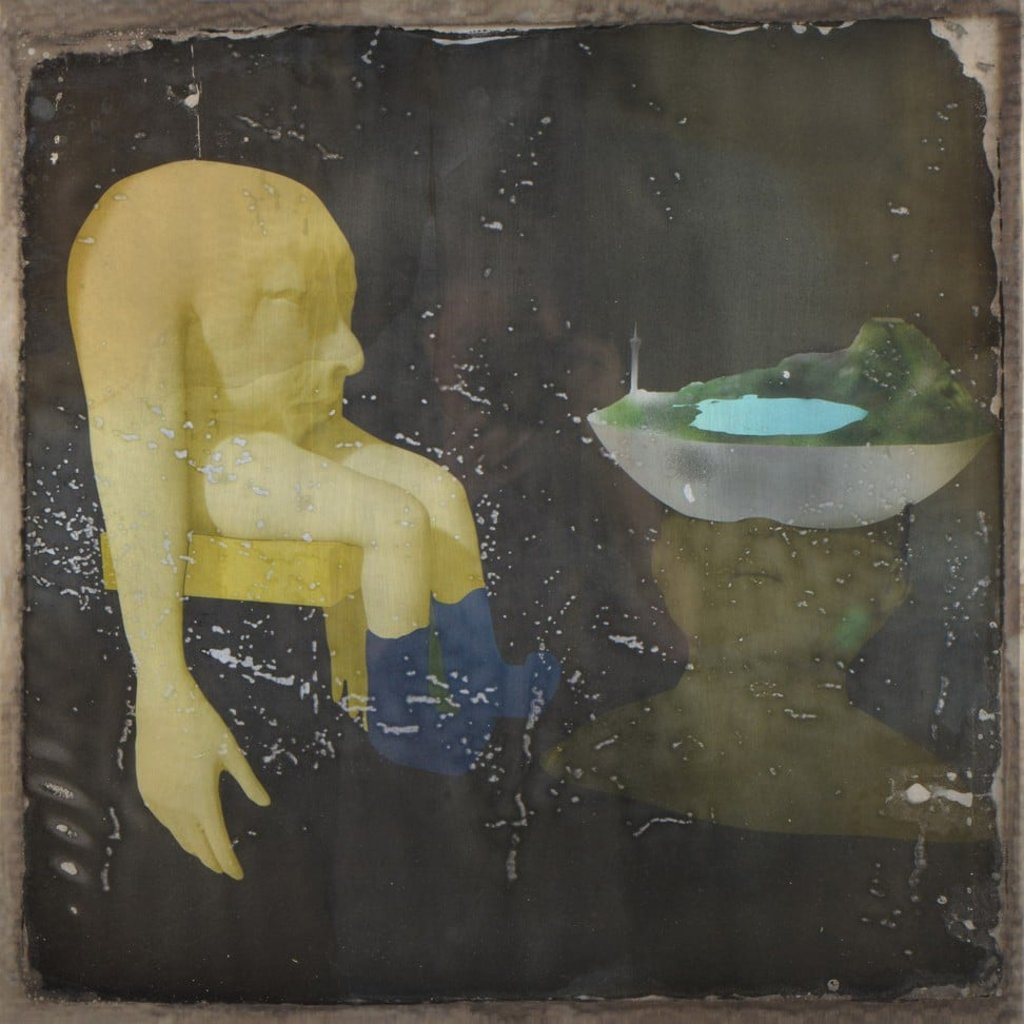
The main exhibition piece Bonsai of My Dream is a sculptured head whose upper part is a bonsai featuring a mountain, a pond and a modern tower building which resembles the city’s landmark Macau Tower. “Our space is getting more and more crowded like a forest, thus I want to turn it into a bonsai so that I can grow it like a city of my own,” Wong says. “It’s like something that I yearn for. I want to get away, but where can I go? That’s somewhere in my head.”
In this “bonsai” of his own, it is the home for creatures such as Heart Snake, a snake with a heart-shaped head, which symbolises the evil side of gambling; Hole Men, men with a hole in their chest; Mr Yam, which stands for “you and me”, is a man with two heads and in ancient Egyptian-style high hat and ancient Chinese attire of robe and boots. “We humans are like a coin, we have two sides. They coexist and they accept each other,” he says. “He puts on a pair of traditional boots like the ones servants in the royal palace wore in ancient times, symbolising people who live under rules and regulations.”