Then & NowWhere Hong Kong gets its obsession with white skin from
The geisha look and Japan’s early mass-produced cosmetics had a lot to do with East Asians developing a preference for pale, sickly complexions, something ads and popular culture perpetuate today

Where does Hong Kong’s fixation with “whiteness” come from? No, not the slavish imitation of Western consumer products and cultural habits, but the overwhelming preference for pale and even unhealthily pallid complexions over natural brown skin tones.
A cursory glance at local advertisements confirms that virtually every milk-powder model is either European or Eurasian; any East Asian featured will have skin as creamy pale as the product they promote. In the same way, almost all local cosmetics or skincare “faces” are at least three shades pastier than that of the average Hongkonger.
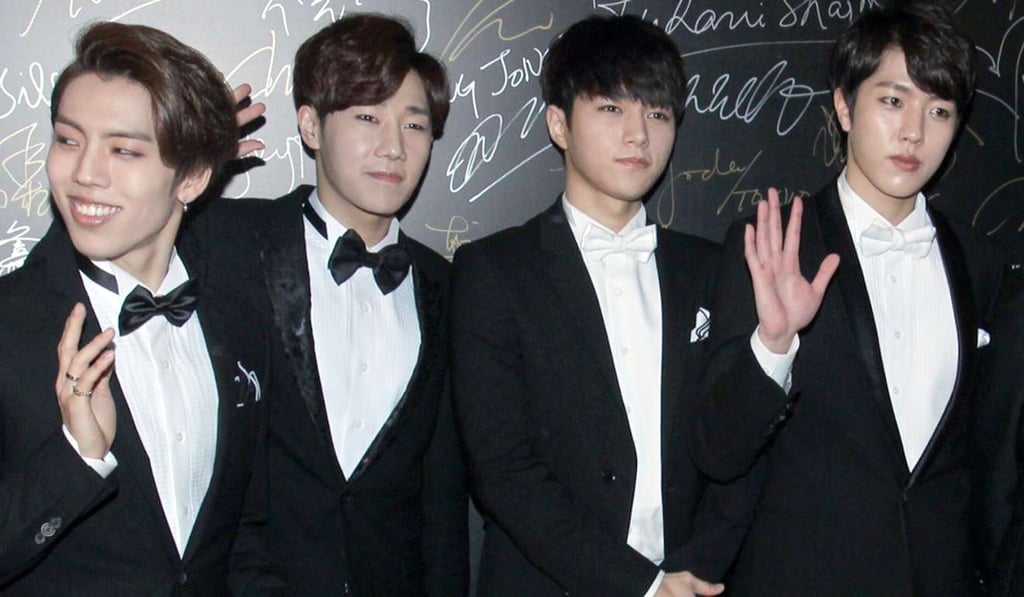
This “cult of the white” sets almost impossible standards and creates a ready market for “skincare experts” and other gimlet-eyed charlatans. Even when more natural skin tones clearly indicate better health, nutrition and lifestyle, they are still seen as unattractive. And it’s not only women who are susceptible to saturation “whitening” hype. The K-pop ideal of slim, corpse-pale, perpetually 19-year-old pretty boys negatively affects susceptible teenagers who internalise these notions of what constitutes attractiveness.
Some of this preference for fairness is historical. In much of Asia, a suntanned complexion suggested that an individual was an agricultural labourer with an unenviable station in life. Europe was no different until less than a century ago.