Language MattersThis Mother’s Day, how to say Ma in different languages, and why do they all sound similar?
Yes, there’s a reason why most forms of the word revolve around the letter M

People in various parts of the world are today sending wishes to their mothers, addressing them as mummy, ma, moeder (Dutch), mamma (Italian), mãe (Portuguese), mæ (Thai), amma (Sinhala), ammi (Urdu) and emak (Malay).
Is this a case of common ancestry or of languages influencing one another in the course of history?
It’s true that numerous languages – such as the Old English modor (“female parent”) – trace the “mother” form back to the Proto-Germanic (the source of languages such as Danish, Dutch, German) mothær, in turn from Proto-Indo-European mater “mother” (the source also of Sanskrit, Latin, Greek). Similarly the “mamma” form is traced back to Latin mamma, from the Ancient Greek mámm ē .
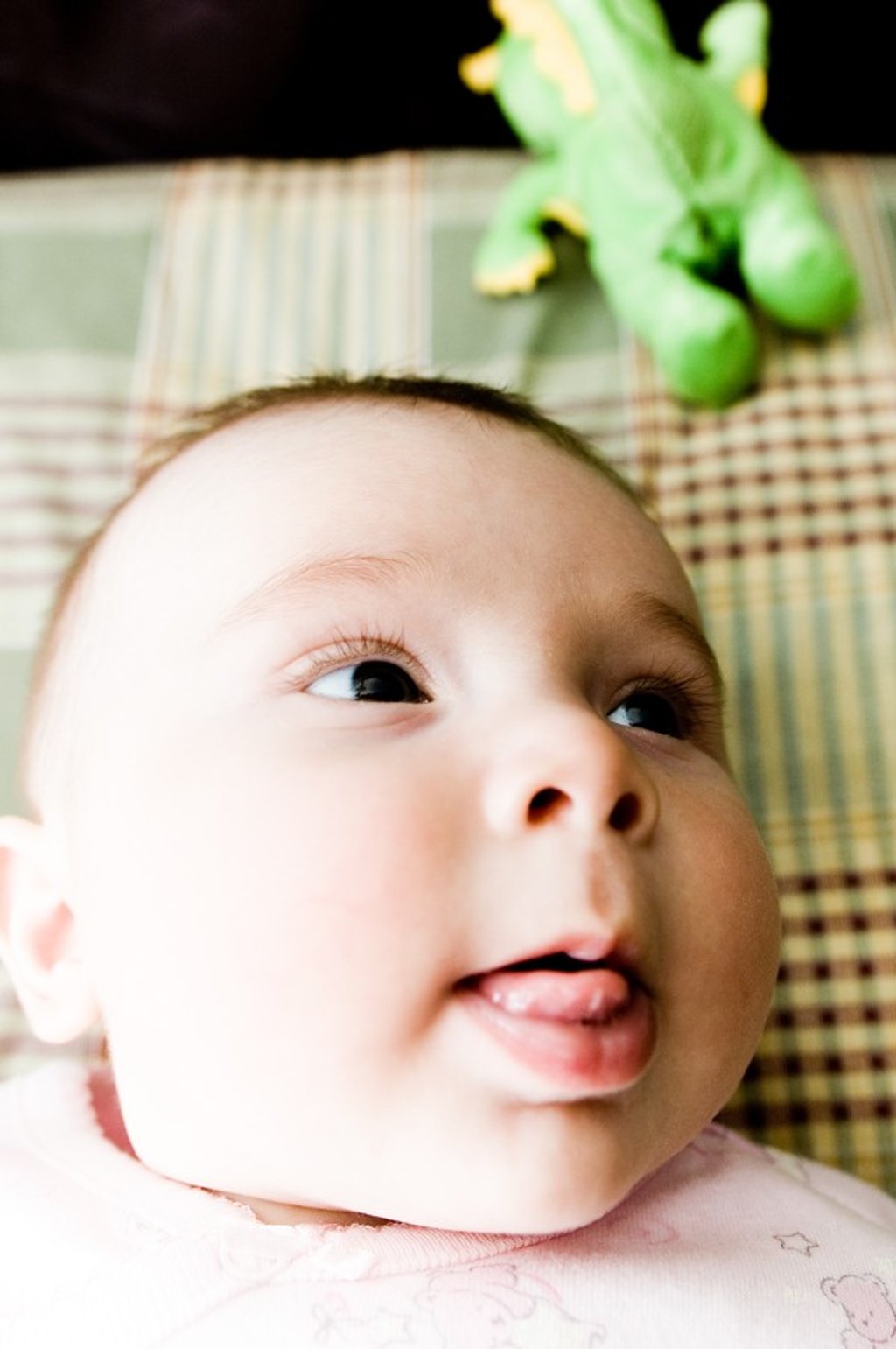
When babies start babbling, wherever they are in the world, the most common intelligible first syllable produced is “ma”
But the explanation for the similarities of “mother” (and “father”) forms across diverse languages – including Arabic ahm, Basque amak, Putonghua 妈妈 m ā ma, Vietnamese me,. Zulu umama – lies in the nature of child-language acquisition. When babies start babbling, wherever they are in the world, the most common intelligible first syllable produced is “ma”, with “pa” and “ba” following soon after.
These early articulations were interpreted by adults as referring to the infants’ caregivers. With primary caregivers tending to be mothers, this gave rise to the strong – though not invariant – association of [ma] forms with “mother”. The next bilabial articulations “pa”/“ba”, as well as “ta”/“da”, produced with tongue tip held against alveolar ridge, then came to be associated with “father”.