
Language MattersWhere the word pyjamas comes from ... or is it pajamas?
How the word entered the English lexicon, and how the garment was adopted by Europeans – though not initially as nightwear

Many Chinese think nothing of wearing pyjamas in public. The practice is so popular in Shanghai that, in 2010, in the run-up to the World Expo, the local government, eager to present a civilised front, launched a campaign urging residents to stop stepping out in nightwear.
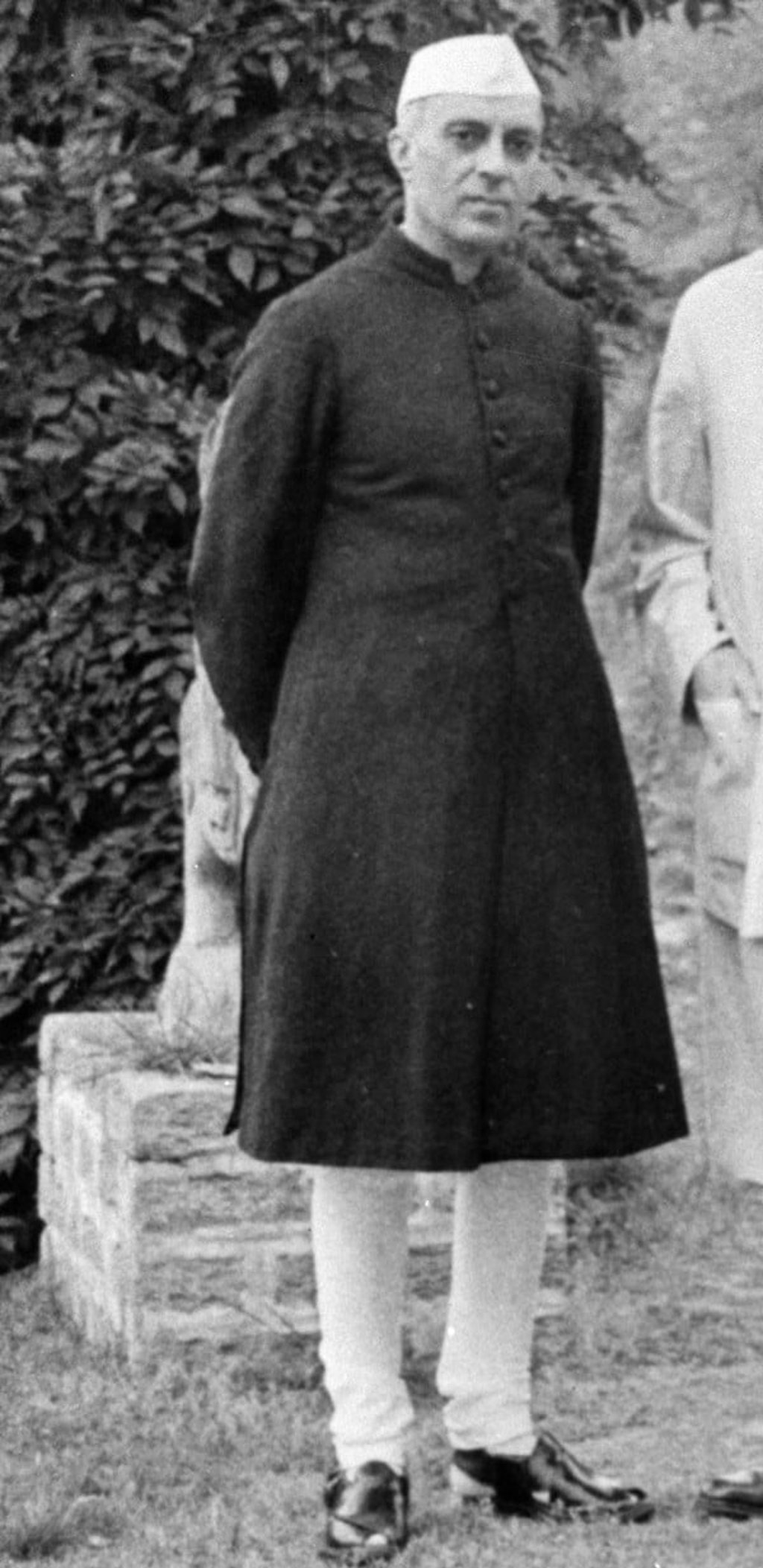
The garment and name were soon adopted by Europeans living in Asia. A 1610 French account from Goa suggests that the Portuguese in India wouldn’t sleep without them; and “mogul’s breeches” as lounging attire were introduced in the 17th century to England (a fashion then short-lived). The first documentation in English is an 1801 reference to “Tippoo Sultaun’s wardrobe [...] pai jamahs, or drawers”; and by 1854 visitors to British India were advised that most Europeans wore “pajamas” for afternoon naps. From about 1870, during the Victorian period, pyjamas steadily replaced the traditional nightdress in England and Europe as male sleeping attire.
Alternate forms of the word find it abbreviated to the initial letters of the first two syllables, as PJs, as well as clipped, with the diminutive jammies, or reduplicated as jim-jams (distinct from jim-jams meaning “extreme nervousness”).
A post shared by Gigi Hadid (@gigihadid) on Jun 23, 2017 at 3:34pm PDT
Model Gigi Hadid rocks the pyjama trend. Picture: instagram.com/gigihadid