
Then & Now | Why colonial Hong Kong didn’t appeal to literary big hitters
Despite P.G. Wodehouse’s connection to Hong Kong, the city – not short of its own Bertie Woosters and Aunt Agathas – didn’t feature in any of the British author’s novels

Well-known literary figures seldom stay long in Hong Kong. And given the city’s overweening philistinism, why would they?
Those who did remain in the colony for any length of time were, as British novelist W. Somerset Maugham candidly described himself in another context, usually in the first rank of the second rate.
In love and war: a Hong Kong honeymoon for Ernest Hemingway and Martha Gellhorn
A passing visit only provides so much material, and much of that – once published – militates against any lengthy return sojourn. Maugham himself found this out the hard way after his Far Eastern short stories were released; lonely planters, administrators and various eccentrics had opened up to him, only to find their personal lives and secret stories repurposed in his fiction, earning him threats of legal action and the cold shoulder on subsequent visits.
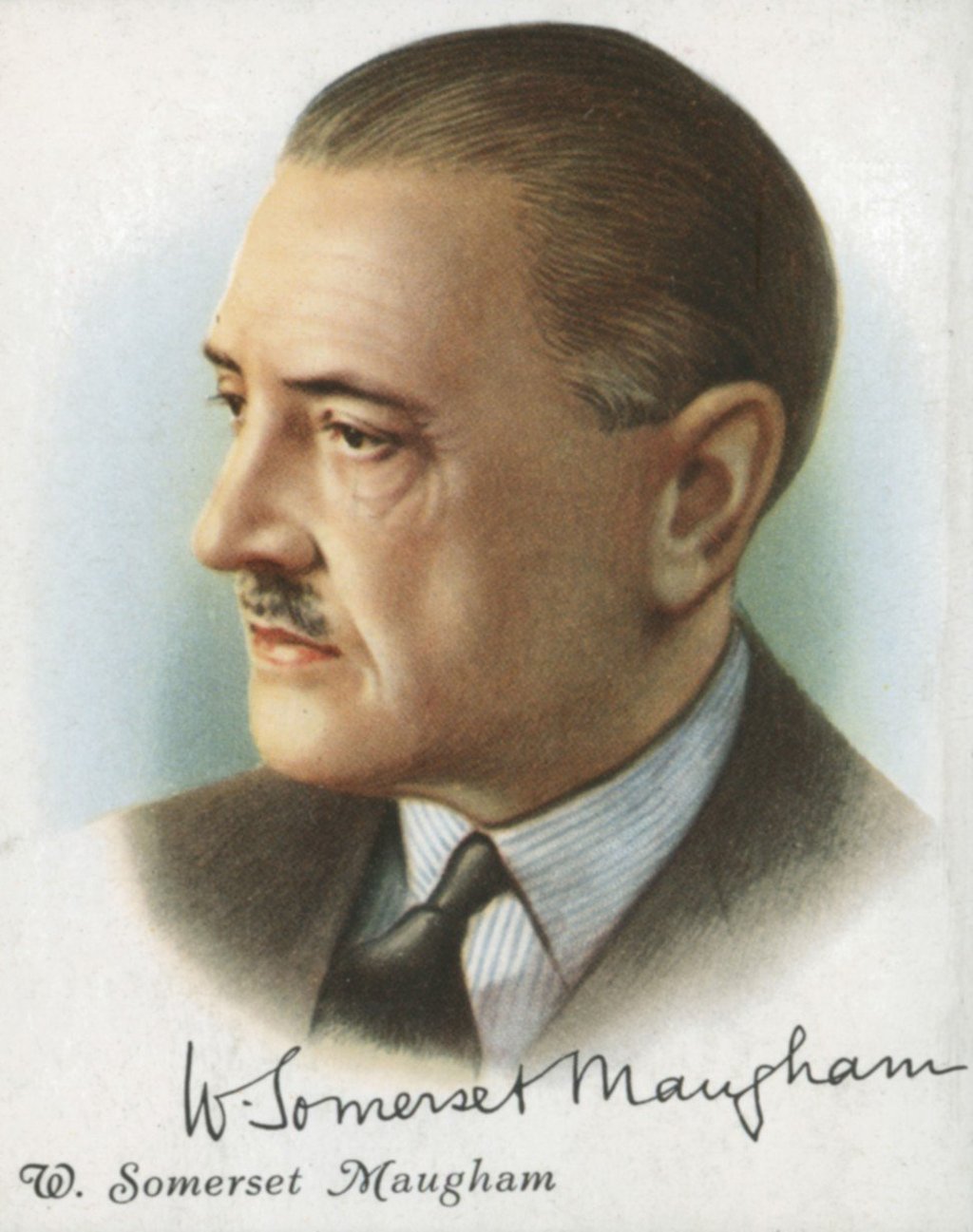
How Somerset Maugham’s China connection gave him a wealth of stories
Pelham Grenville Wodehouse – known throughout his life as Plum, and professionally as P.G. Wodehouse – was the son of Ernest Wodehouse, a late-19th-century Hong Kong magistrate. The author’s eldest brother, Philip Peveril, was reportedly the first European child born on The Peak, in 1877; his name came from Sir Walter Scott’s novel Peveril of The Peak (1823).
He joined the local police force and eventually became, in the tart words of one of Plum’s many biographers, a “stereotypical colonial blimp”; he retired to England, where he died in 1951.