Ex-Mormon broadcaster spreads gospel of science
Having survived family break-up, drug abuse, depression and years of therapy, Cara Santa Maria found her niche in popular culture

Raised a Mormon I was born in 1983 to an Italian father and Puerto Rican mother. I grew up in the conservative Bible Belt of America (in Plano), deep in the heart of Texas. My father is very religious and he voted for Trump, while my mother is more progressive. I have a sister who’s four years older. She’s a Mormon, too, but she’s open to me and my experiences. Mormons might be evangelical, but they’re also pretty pro-education and pro-science. My father’s second wife was a high-school science teacher until she retired, and she’s Mormon. My dad’s not so religious that he thinks evolution doesn’t happen; he just doesn’t believe in Darwin’s version, but he doesn’t think Jesus placed fossils in the ground to test his faith. He knows man did not walk with dinosaurs.
Science in mind From a young age, I was placed on a gifted and talented programme at school and was pulled out of class to do logic puzzles and critical, evidence-based thinking. I learned the underlying theory and process of science before I was doing science, and was already a sceptical thinker. At church, boys would be doing the hunting, fishing, camping, hiking and boating for their youth group activities, while girls would be baking cookies and making ornaments. The gender stereotyping at church was disgusting. It wasn’t overt at school, it was implied. When I was little, I had the same stereotypical lack of self-esteem lots of young girls have, especially within ethnic minorities. We’re never told that science is an option, or that, even though it’s going to be hard, that doesn’t mean you’re bad at it.
My relationship with my dad was quite strained after I left the church, when I was about 15. There wasn’t an epiphany – I realised that not only was it not for me, but that it was all a big lie.
All a big lie After my parents divorced, when I was six, I lived with my mother and saw my dad every other weekend, and for two weeks in the summer. The religious side of my life was held on to very tightly by my father. My relationship with my dad was quite strained after I left the church, when I was about 15. There wasn’t an epiphany – I realised that not only was it not for me, but that it was all a big lie. I don’t think I understood the ramifications, but I chose to be true to myself. In doing so, I burned a bridge with him. When I told him I didn’t believe, not just in the Mormon church, but in God, he said, “I have a moral obligation to God to force you to go to church until you’re 18.” So a conversation was had and it was decided that I would not maintain (a custodial relationship) with him. There were a few years when we didn’t talk, then, slowly, when I became an adult, we re-established a relationship.
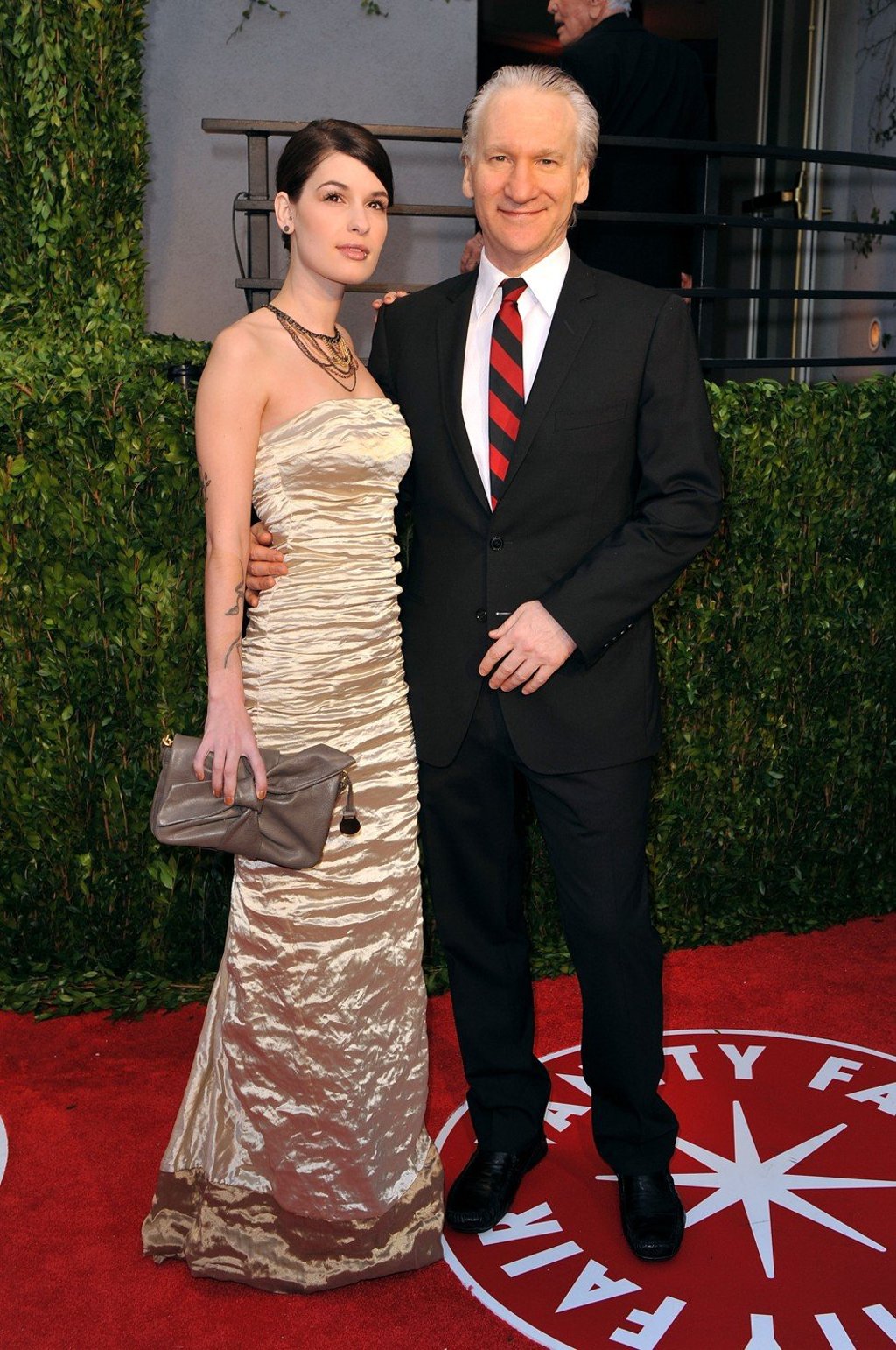
We’d go to parties and everybody would react with fascination when I talked about science. So I tried it: my first booking was on Larry King Live as a panellist.
Inside the brain I studied psychology in school because I thought it would be easy. I did an internship with a local neuropsychologist, who saw a lot of people with developmental problems and traumatic brain injuries. It was really cool and I fell in love with it, but realised I didn’t know enough about the brain. So I decided to get a master’s degree in biology, with a neuroscience concentration. I did my master’s in Texas, an hour from where I grew up, so, by 23, I was itching to get out. I started a PhD in neuropsychology at the City University of New York. I was doing research in a bird lab, experimenting on zebra finches’ brains, but I found myself loving teaching and not enjoying lab work. That’s when it dawned on me that this wasn’t the right path. I didn’t want to go and get a PhD just so I could teach.