Review | Loss and lies in modern China explored in Jan-Philipp Sendker’s rich and resonant novel
With its well-drawn Hong Kong and China locations and its unobtrusive symbolism, German writer’s book The Language of Solitude addresses unspoken depths in contemporary Chinese society

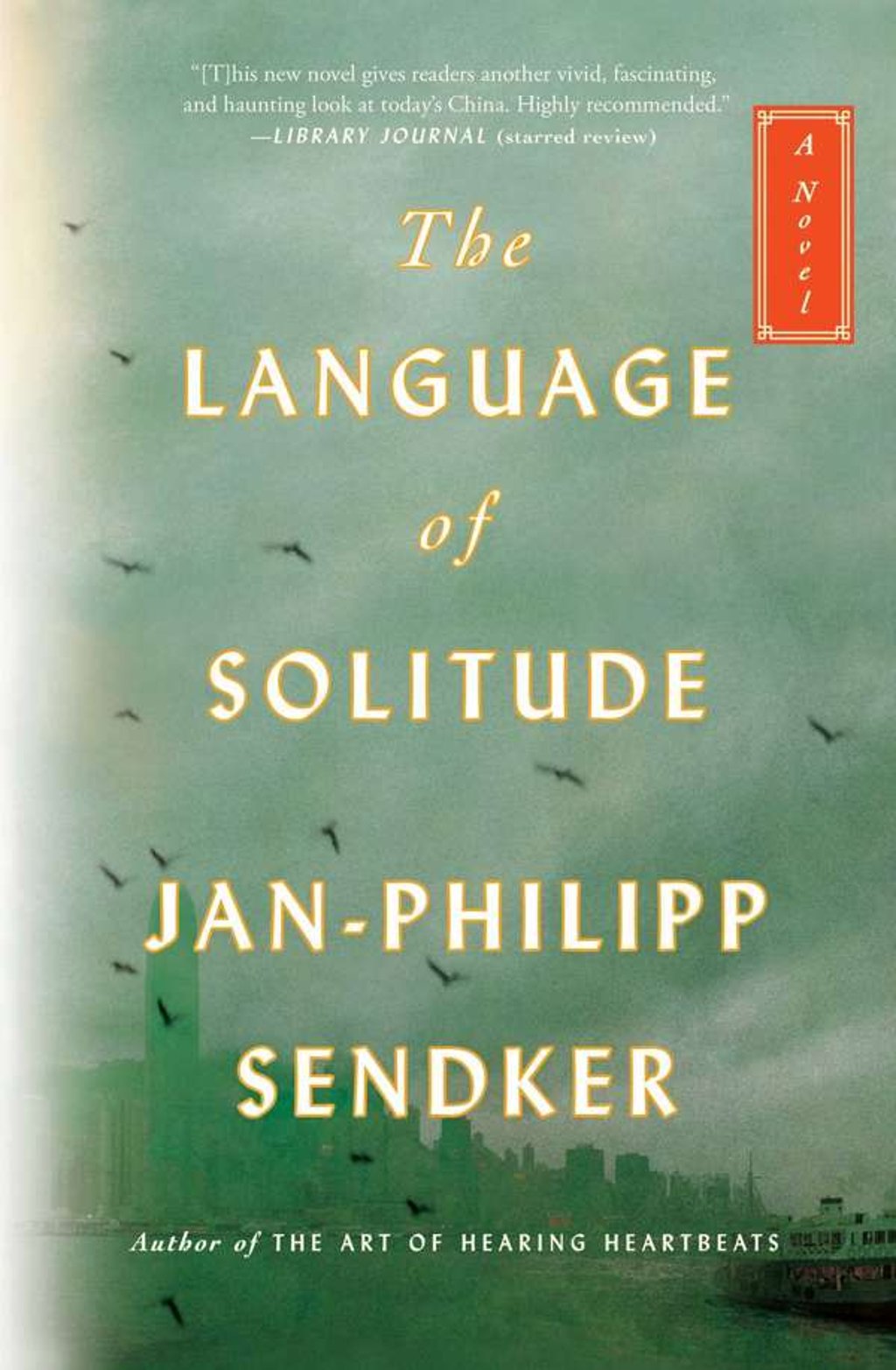
The Language of Solitude
by Jan-Philipp Sendker
Atria
The Language of Solitude does not start well. Protagonist Paul Leibovitz yearns for his partner, Christine Wu (both returning from Sendker’s previous novel, 2015’s Whispering Shadows). He is financially independent, she the manager of a minor travel agency – both live in Hong Kong. In or close to middle age, both enjoy nice things. He aches for her phone calls but hesitates to send text messages, lest he seem needy. Their initial conversations are near comically anxious. Paul is concern that Christine is less enamoured, less immediately comprehending of his needs and emotions than she once was. So far, so inconsequential.
Then things begin to click. The disconnect between Paul and Christine comes to seem less an entrance to a romcom, where all the narrative intricacies could be solved if only the characters would speak to one another, and more a metaphor for how people, and societies, are silenced.
Christine has been summoned to China by long-lost brother, Da Long, who was separated from the family during the Cultural Revolution, when she and her mother escaped to Hong Kong. (Absence, silence and unexorcised pain are all motifs.) Da Long’s wife, Min Fang, is suffering from a mysterious illness. The local doctors can find no cure and have effectively given up on her, and Da Long doesn’t have the money to take her to Shanghai for treatment.