ReviewDoes time speed up as you get older? It’s complicated
Alan Burdick grabs hold of the slippery subject of time and crafts a book that’s full of mind-bending science and philosophy

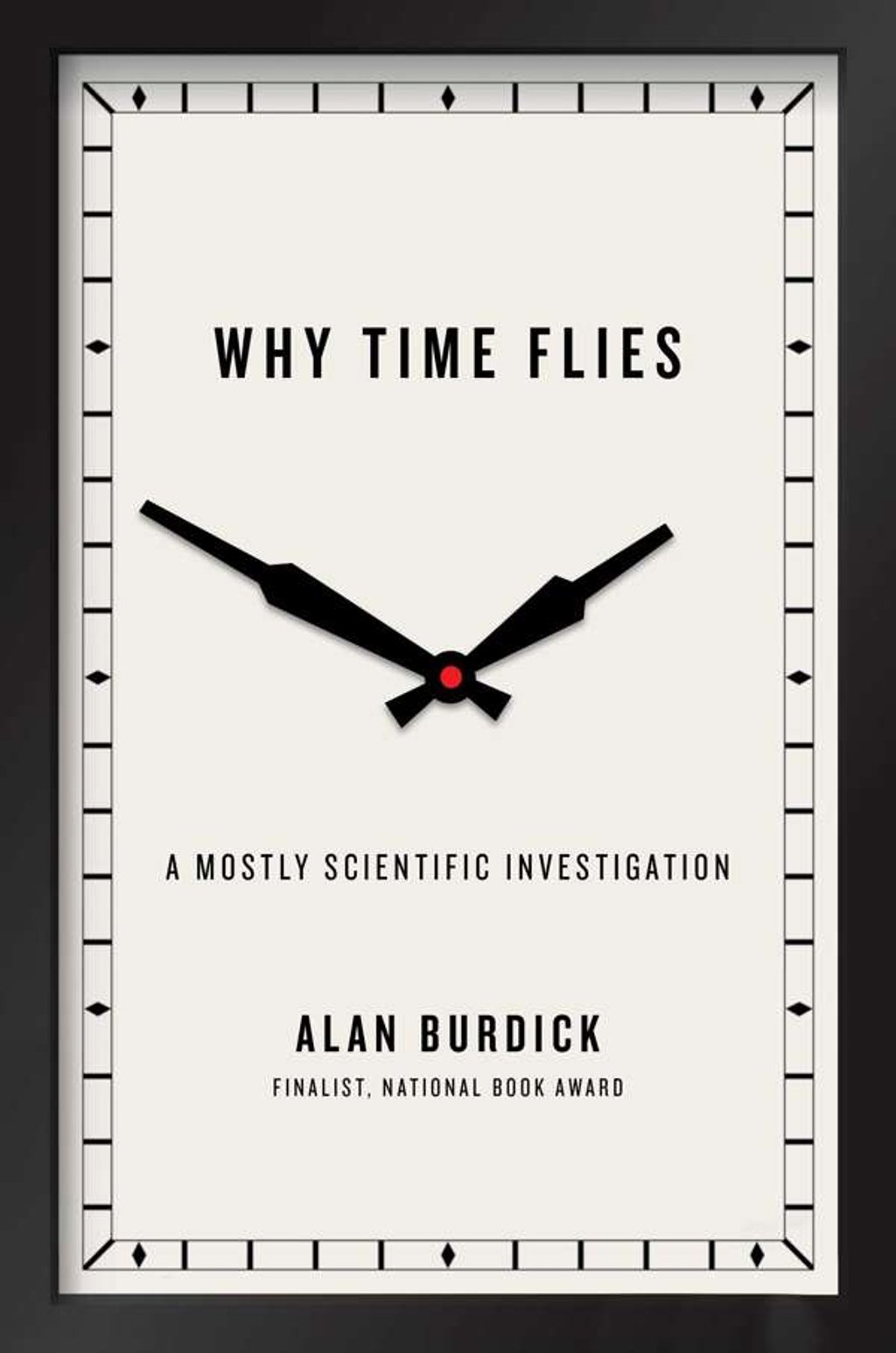
by Alan Burdick
Simon & Schuster
According to my mother, I’m now ageing faster than when I was younger. She should read this book, which describes attempts to explain why time seems to speed up as we get older. The real answer, according to Alan Burdick? It doesn’t, of course. But it’s not as simple as that. Researchers think the impression of time accelerating is itself illusory, meaning: “Time only appears to appear to quicken as we age.” Why Time Flies is full of mind-bending scientific investigation and philosophy that point to what the author deems a fundamental fact about time: “There is no one truth about it.” That in itself is fascinating, as is how Coordinated Universal Time is calculated (all member clocks are compared and their discrepancies noted). This is why the world’s best clock is apparently a newsletter, with column after column of numbers representing local clocks and their relative accuracy. Also interesting is the insight into what “now” means and how our brains mask reality from us when it comes to that perceived as “instantaneous”. Burdick, a writer at The New Yorker magazine, takes a slippery subject and makes it stick using personal accounts.