Review | Human cost of Mao’s Great Famine and Cultural Revolution exposed in powerful novel
Xie Hong shows through the innocent eyes of a child how an unnamed but archetypal Chinese town is devastated by one of the worst catastrophes in China’s history, the Great Leap Forward

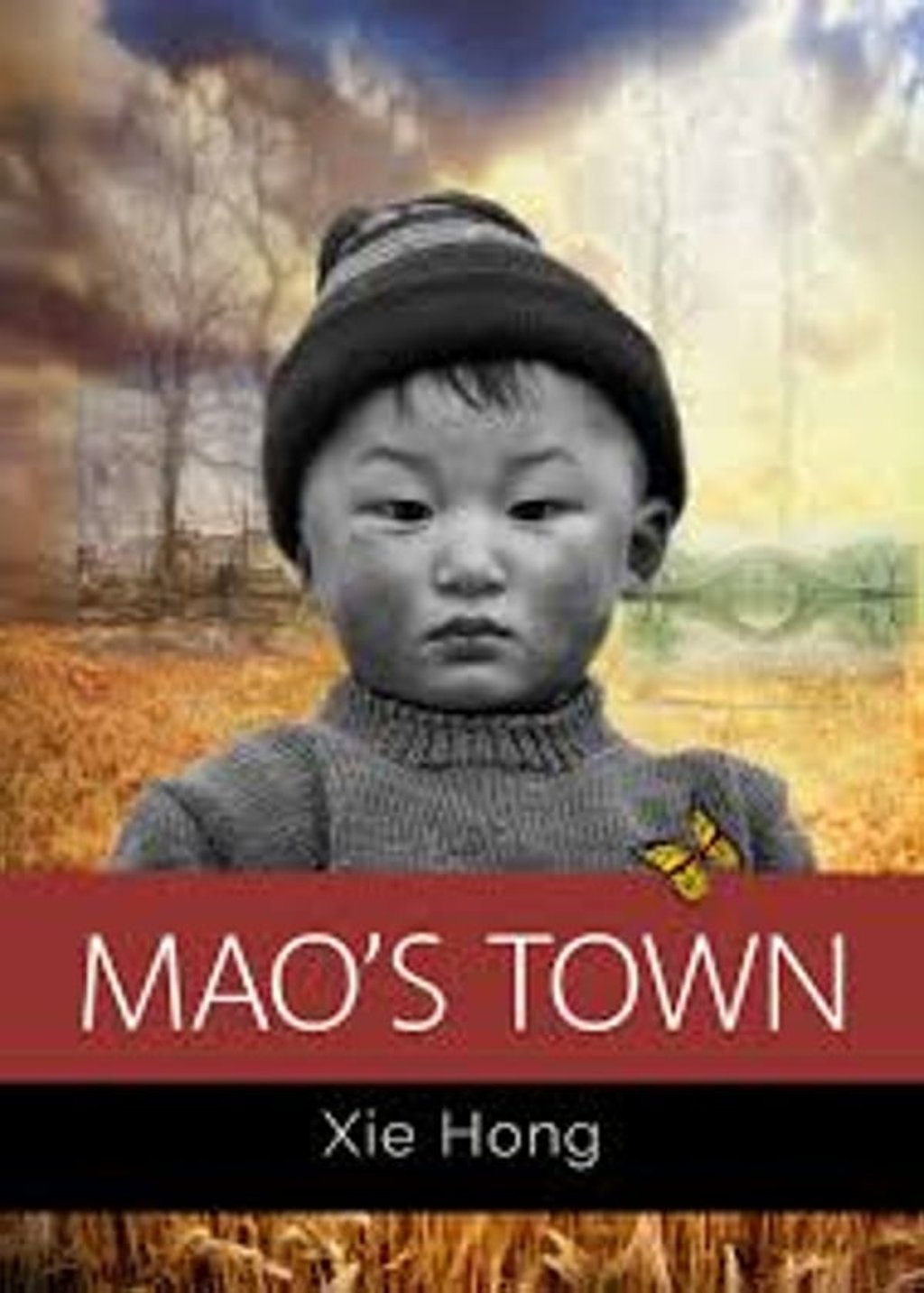
by Xie Hong
Whyte Tracks Publishing
There can never be enough novels dealing with the horrors of the Great Chinese Famine and the Cultural Revolution. The subjects have been covered in fine non-fiction books, such as Frank Dikötter’s People’s Trilogy (2010-2016) and Tombstone (2012), by Yang Jisheng. But while these include individual stories, they approach the events from a largely broad angle, and do not maintain specific perspectives on the tragedies.
Fiction allows for individual narratives. It can also serve as a kind of exorcism, a coming to terms with memories that have long been suppressed.
Mao’s Town, by Xie Hong, is therefore warmly welcomed. The book examines these two cataclysmic periods through the eyes of a boy, narrator Baoguo. Growing up in a small town in an unnamed part of China in the 1950s and 60s, he sees – and to a lesser extent takes part in – the events as they unfold.
Xie artfully paces the horror as it moves from an unsettling trickle of minor events to a relentless series of catastrophes. Baoguo’s puppy is taken by authorities. A thief is stoned to death. Paranoia spreads about spies and counter-revolutionaries.