The CorkscrewWhat goes into making a great wine
From planting and harvesting to fermentation, winemaking is a long, slow process but the rewards are often worth the wait

Grapes go through many stages before they become the magical, delicious liquid we know as wine, and decisions made at every step of the winemaking process, including while the fruit is still on the vine, can affect the final outcome.
The weather before the grapes are picked and their ripeness are important; ripeness determines the sugar levels, which in turn affect the final potential alcohol content of the wine.
Sun is good – it reduces the amount of moisture inside the grape, thus concentrating the sugars. Rain just before picking is bad because the roots soak up the moisture, which is then passed into the fruit, watering down the sugars.
Rain can also affect the outside of the grape by making it mouldy or washing away the natural yeasts (needed later for fermentation) on the skins.
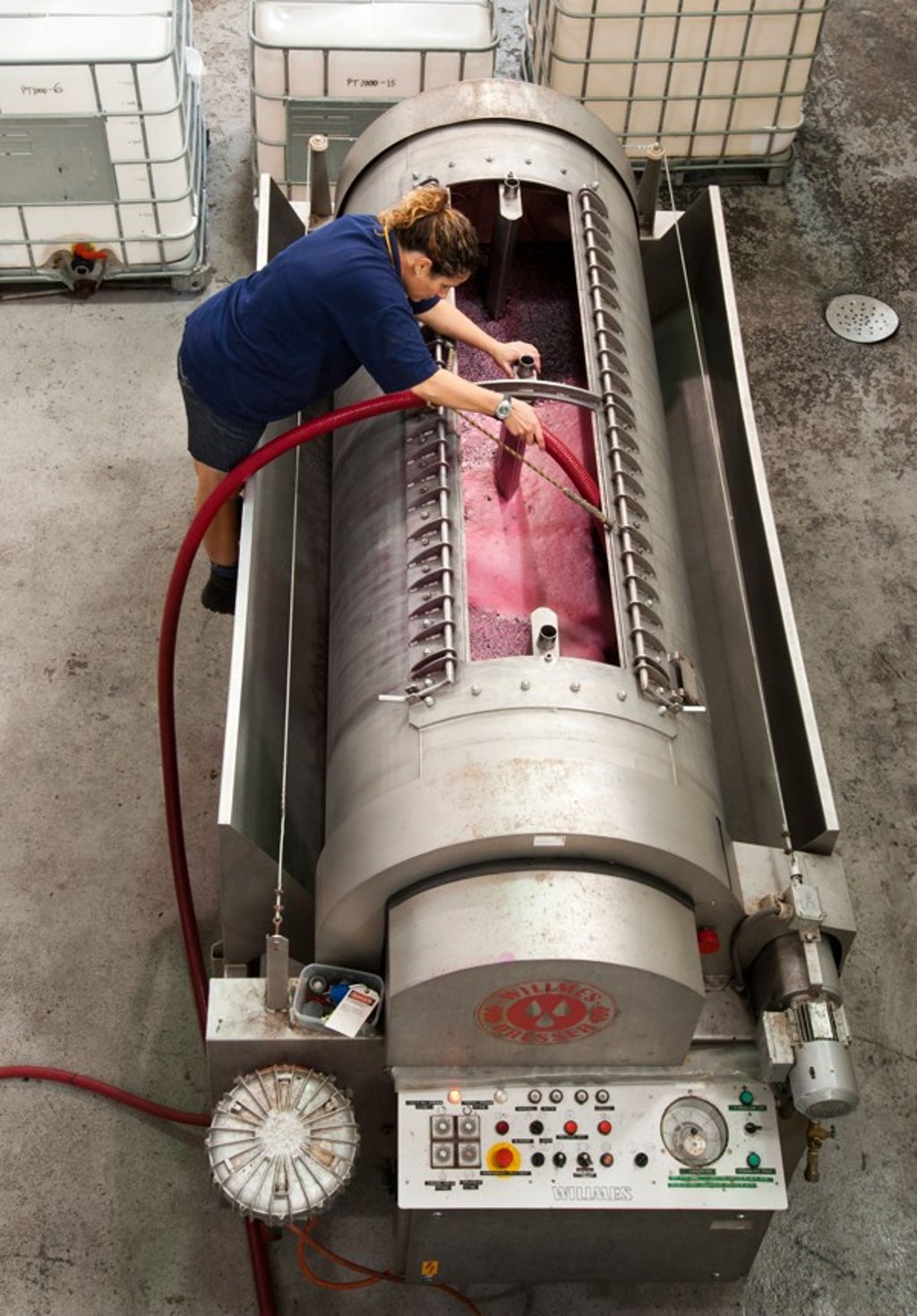
How the grapes are pressed can affect the end results. White-wine grapes need to be pressed quickly and gently to retain as much freshness as possible; waiting too long will make the juice cloudy. The best pressing method for white-wine grapes is a pneumatic press – the grapes go in one end of a tank and a balloon is slowly inflated inside, which gently compresses the grapes.