The CorkscrewThe evolution of wine: from the rough to the smooth
Follow a wine’s journey, from the time of its birth to maturity to understand what makes a vintage truly world class

Tasting wine before it is bottled is an experience that isn’t open to everyone; wineries usually grant only wine professionals, writers and special clients this privilege. Tasters have to look past the burly roughness that is in the glass and predict how it will evolve, because the fruit at this stage can be very intense and quite tart.
If it’s a red, the tannins will be on the bitter side, almost as if you’ve licked an aspirin tablet. The colour will be purple – if you taste a few of these new wines in one sitting, your tongue and teeth will be stained. My advice when going to a tasting of this sort: don’t wear white and take a toothbrush.
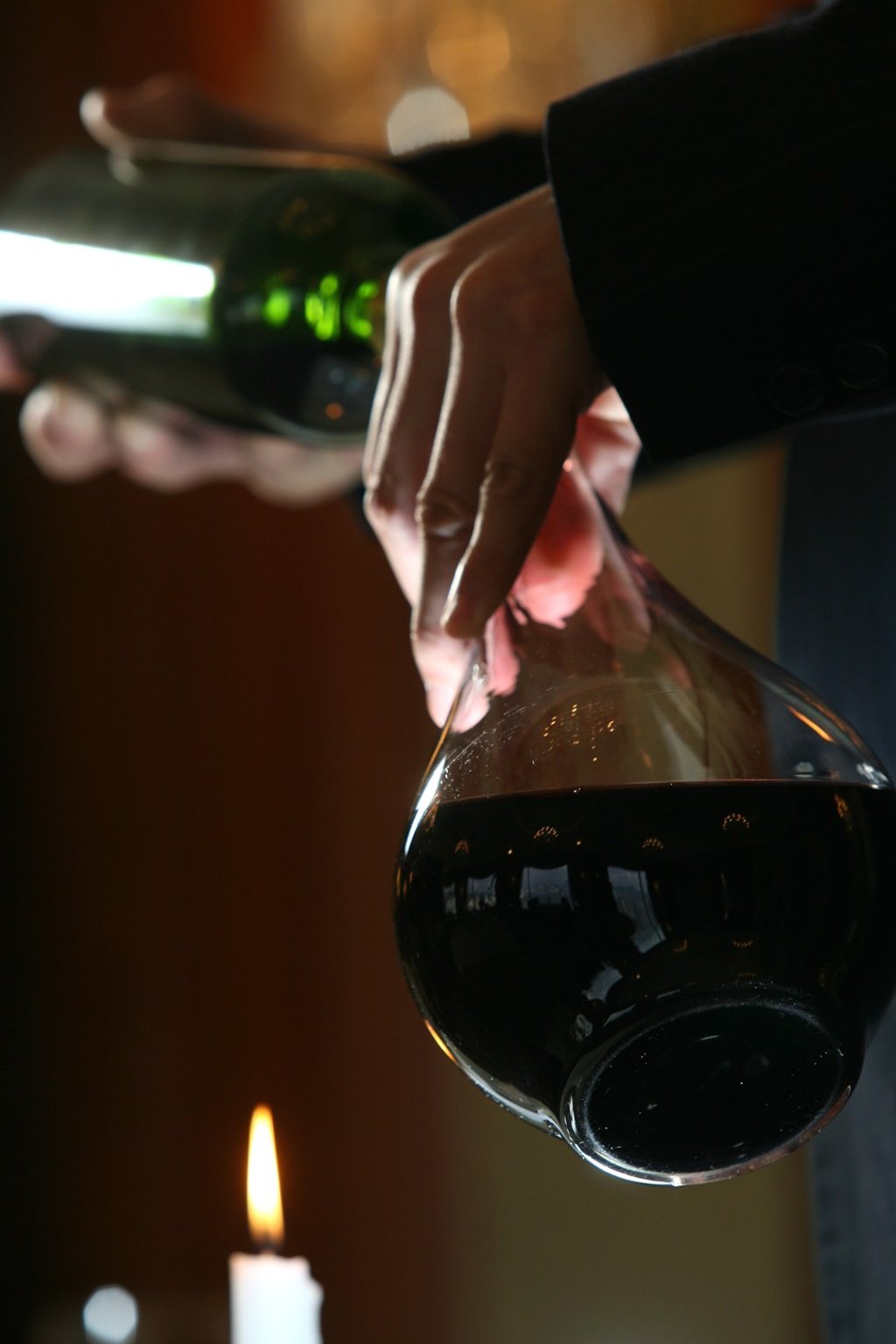
The colour will still be on the purple side, and in some wines, you’ll see a bit of ruby. The more opaque a wine is, the more intensity and variety you should be able to find in the other components.
At about four to seven years of age, a wine will start to lose its purple colour and show more ruby. Many New World wines of this age can be considered “mature”; having lost some of the dominating alcohol, the flavours and aromas are much more settled because the components have combined to make a melodic whole.